

Digital conduct, social media and work chat groups
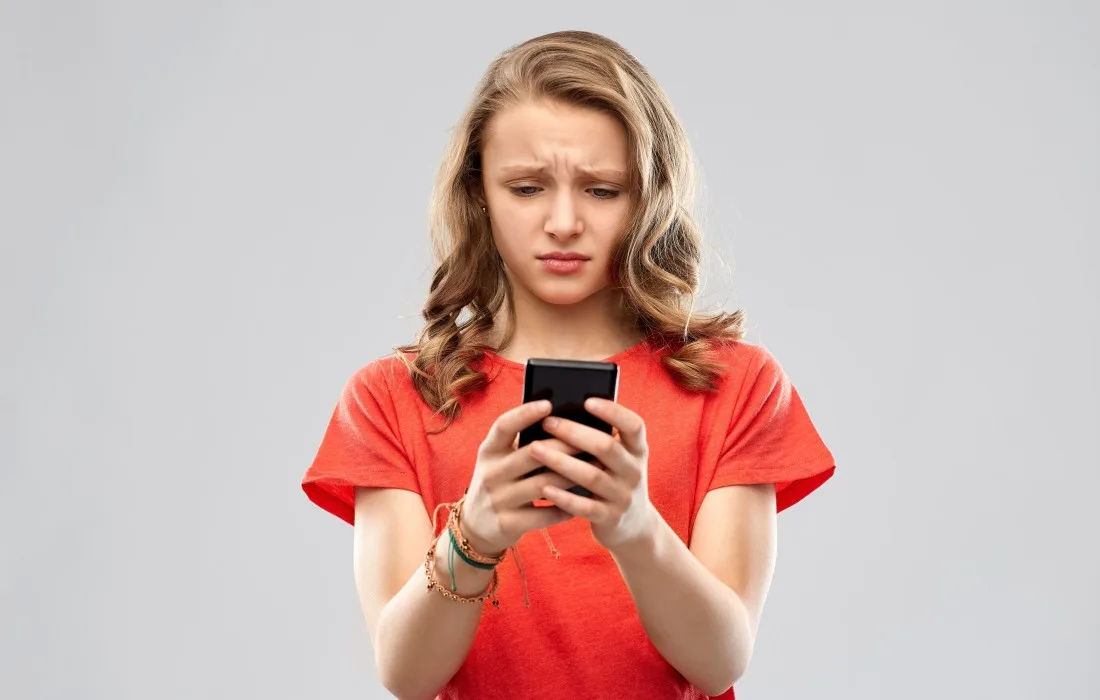
Sexual harassment can occur online as well as in person. Behaviour connected to work remains workplace conduct even if it happens outside working hours, on personal devices or in informal chat groups.
Examples include sexual memes, images, emojis, jokes or comments about colleagues, repeated private messages, late-night contact, unwanted flirting, screenshots, rumours, social media posts, AI-generated sexual images and pressuring someone to join a chat where sexual content is shared.
Staff must take extra care with patient and customer contacts. Do not use personal social media, personal messaging or private phones for inappropriate contact. Clear boundaries protect staff, patients and confidentiality.
If digital harassment occurs, preserve evidence when it is safe to do so. Screenshots, timestamps, usernames, group names and message context can be important. Do not forward explicit material more widely than necessary; follow local reporting and evidence procedures.
Leaving or muting a chat can reduce an individual's exposure, but it does not address the problem if the chat is work-related and others are still being exposed.
Digital behaviour connected to work still counts. A chat group is not harmless if it exposes staff to sexual content, pressure or humiliation.
Ask Dr. Aiden
Rate this page
Sign up now for a free account
Course tools & details

