

Responding in the moment and supporting someone who reports
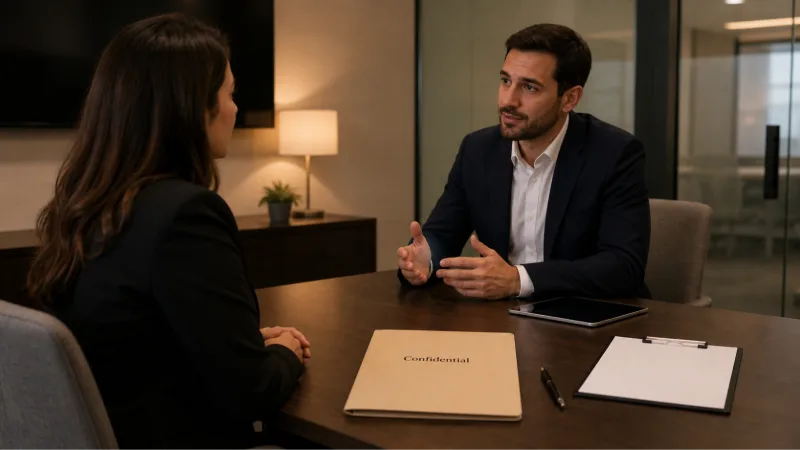
You do not need to investigate sexual harassment before acting. A calm, respectful first response should focus on safety, support, a factual record and the correct escalation route.
If you witness behaviour, a safe bystander response can include interrupting, checking on the person affected, creating a reason to move away, asking a colleague for help, reporting the incident or refusing to join in.
If someone tells you they have been harassed, listen without minimising. Avoid blaming questions such as "Why did you not say no?" or "Are you sure they meant it?" Useful first responses are "I am sorry this happened", "You did the right thing telling me" and "Let's work out how to keep you safe and report this properly."
Check immediate safety. Do they need to leave the area? Should they avoid working alone with a particular person? Is there a risk of further contact, retaliation, stalking, assault, safeguarding harm or criminal behaviour?
If there is immediate danger, sexual assault, stalking, threats, coercion, safeguarding concerns or unlawful sharing of intimate or AI-generated sexual images, seek urgent manager, safeguarding or police advice rather than handling it informally.
Do not promise secrecy. Explain that information will be shared on a need-to-know basis so the matter can be handled safely and fairly.
A clear first response reduces harm. Listen, protect safety, record facts and use the appropriate route.
Ask Dr. Aiden
Rate this page
Sign up now for a free account
Course tools & details

