

Patients, customers, companions and third-party harassment
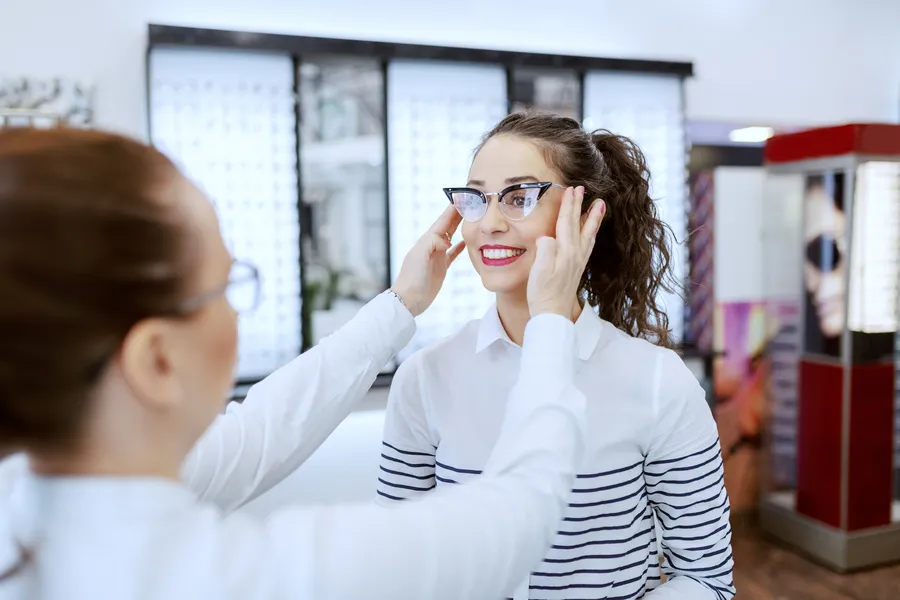
Sexual harassment can come from people outside the workforce. Optical staff may experience it from patients, customers, companions, relatives, delivery drivers, contractors, visiting professionals or others using shared premises.
Risk can arise during frame fitting, repairs, measurements, collections, retail browsing, phone calls, domiciliary visits, private conversations or any close-contact support. Examples include sexual remarks, persistent staring, unwanted touching, gifts, repeated requests for a particular staff member, loitering outside the practice, sexual jokes or comments about a staff member's body.
Good customer service does not require tolerating harassment. Staff should be able to set boundaries, step away, ask for assistance and report concerns. A patient's need for care does not remove the employer's duty to protect workers.
If behaviour may be linked to dementia, delirium, learning disability, distress or mental ill health, staff still need protection. The response may require clinical input, safeguarding or managerial decisions, but the behaviour should not be ignored or treated as acceptable.
Third-party harassment matters. Staff should not be left to manage sexualised behaviour alone because it comes from a patient or customer.
Ask Dr. Aiden
Rate this page
Sign up now for a free account
Course tools & details

