

Decontamination, Instrument Cleaning, and Unknown Source Injuries
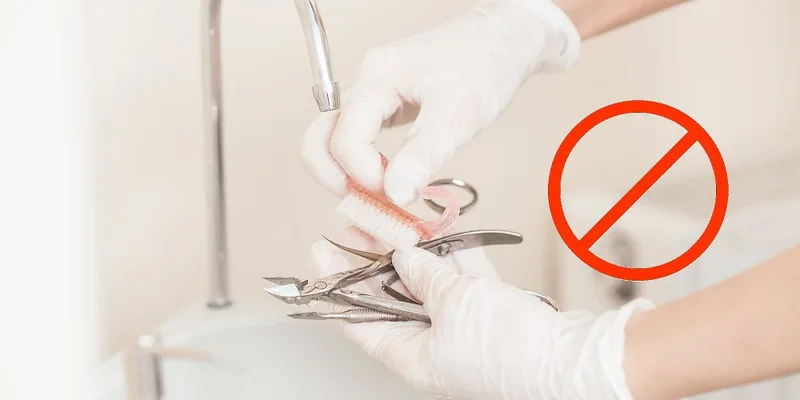
Sharps injuries can occur during decontamination when instruments are transported, sorted, cleaned, inspected, or loaded. Risk increases if sharps were not removed at chairside, trays are overcrowded, files or burs are loose, or the source patient is not obvious.
Used instruments should be moved in a controlled way and handled as little as possible. Baskets, trays, cassettes, forceps, appropriate gloves and good lighting reduce direct contact. Manual cleaning involves more handling risk than validated automated processes and must follow the local SOP.
Decontamination sharps controls
- Dispose of needles, blades and other single-use sharps at the point of use where policy requires it.
- Keep reusable sharp instruments contained during transport.
- Use suitable puncture-resistant gloves for high-risk cleaning tasks.
- Avoid blind reaching into bowls, trays, sinks or waste bags.
- Stop and report loose sharps found unexpectedly in decontamination.
Unknown source injuries require prompt action because the source patient may not be identifiable. Follow the exposure procedure, record what is known, attempt traceability where possible, and arrange medical advice for the injured person.
Do not delay first aid while trying to identify the source. Source tracing and incident review are important, but the injured person's immediate care takes priority. After the injured person is safe, check appointment order, tray labels, decontamination records, surgery notes and who moved the instruments.
If a sharp appears unexpectedly in decontamination, treat it as a system warning as well as an individual incident.
Ask Dr. Aiden
Rate this page
Sign up now for a free account
Course tools & details

