

Sharps Risk and the Dental Nurse Role
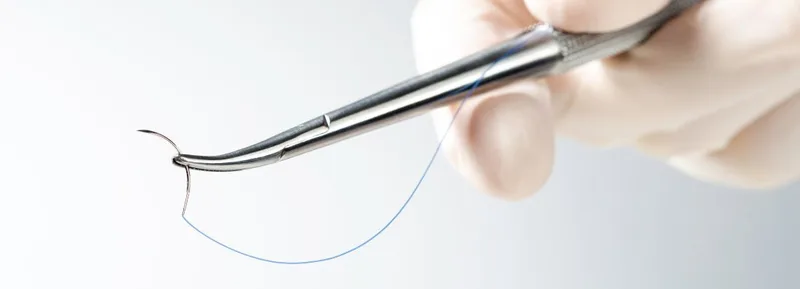
A sharps injury is a cut, puncture or scratch from a needle, blade, instrument, bur, wire, file or any item that can break the skin. In dentistry, the immediate concern is the injury itself and any exposure to blood or saliva, particularly when the source is unknown or there is a possible blood-borne virus risk.
Dental nurses are at risk during local anaesthetic setup, retraction, instrument transfer, clearing trays, removing matrix bands, handling sutures, preparing or dismantling surgical kits, decontamination, and waste disposal. New staff and trainees are often more vulnerable because they may lack the confidence to question unsafe habits.
Common dental sharps
- Local anaesthetic needles and syringes.
- Scalpel blades, suture needles and surgical instruments.
- Burs, endodontic files, matrix bands, orthodontic wires and sharp hand instruments.
- Contaminated items found unexpectedly in trays, waste or decontamination areas.
- Broken glass, broken instruments or single-use items handled after treatment.
Standard precautions apply to every patient. A medical history may highlight relevant information, but it should not create false reassurance or stigma. Many patients are unaware of their blood-borne virus status, so safe sharps systems must protect everyone equally.
Sharps injuries can also affect confidence. A nurse may feel embarrassed, worry about follow-up blood tests, be anxious about telling a partner, or fear being blamed. The practice response should focus on health, safety and support rather than personal fault.
Sharps safety is not about guessing which patient is risky. It is about using safe systems for every patient, every time.
Ask Dr. Aiden
Rate this page
Sign up now for a free account
Course tools & details

