

Safer Sharps Handling During Dental Procedures
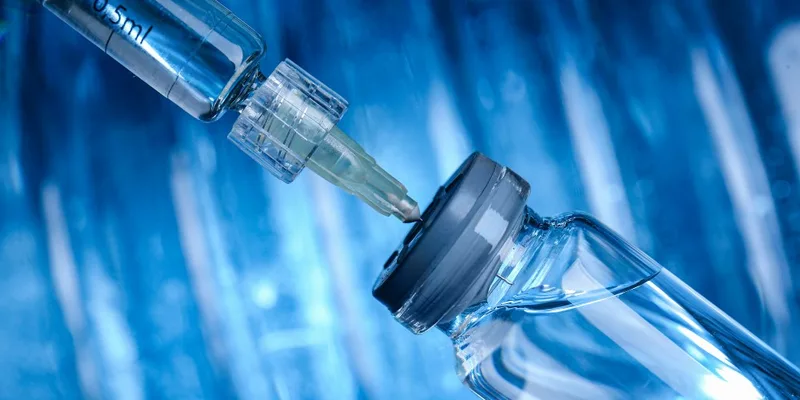
Many sharps injuries occur during active clinical care when attention is split between the patient, instruments, suction, materials and time pressure. Dental nurses reduce risk by keeping the working area organised, anticipating where sharps will be used, and using clear communication when passing or receiving instruments.
Local anaesthetic needles need particular care. Dental nurses should not be asked to handle a used syringe directly, resheath a needle by hand, or accept a sharp returned in an unsafe way. Place the sharps container close to the point of use and, where possible, on the operator's side. If recapping is unavoidable, use an agreed safer method supported by a risk assessment and local SOP.
Chairside habits that reduce risk
- Agree where used sharps will be placed before the procedure starts.
- Keep fingers away from the needle path during retraction or aspiration.
- Use mirrors or retractors rather than fingers for cheek retraction near injections.
- Keep burs, files, blades and needles visible and controlled.
- Use clear words before passing, receiving or disposing of sharp items.
Sharps risk increases when the patient moves unexpectedly, the operator turns away with a syringe, the dental nurse reaches across the needle path, or a used sharp is left on a bracket table. Pausing briefly is usually safer than rushing.
Safe handover language
- "Sharp coming across."
- "Please keep that needle on your side."
- "Can we clear the bur before I move the tray?"
- "I need the sharps bin closer before we start."
Short, specific phrases work best in a busy surgery. The aim is to make clear when a sharp is being moved, where it will go and who is in control.
If the safest way to handle a sharp has not been agreed before the procedure, pause and agree it before the risk appears.
Ask Dr. Aiden
Rate this page
Sign up now for a free account
Course tools & details

