

Responding, reporting and learning after incidents
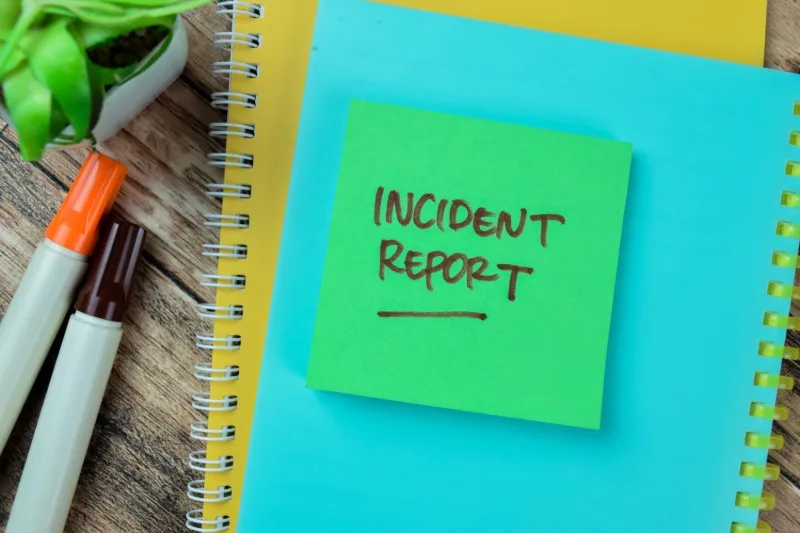
When someone slips, trips or falls, respond calmly and practically. Make the area safe, summon help, respect the person's privacy, follow local first-aid procedures and record clear facts. Avoid blame or speculation.
Immediate response
- Check for danger: look for wet floors, broken glass, trailing cables, fallen stock or crowds that could cause further harm.
- Call help: contact the first aider, manager, clinician or emergency services as your procedure and the person's condition require.
- Do not rush to lift: if the person may be injured, dizzy, in pain, confused or has hit their head, wait for trained help.
- Protect dignity: keep the person warm, offer reassurance and minimise public attention where possible.
- Record facts: note the time, place, what you saw, immediate actions, witnesses, hazards found and who was notified.
Call 999 if the person is seriously injured, unresponsive, not breathing normally, has severe pain, suspected head, neck, spine or hip injury, heavy bleeding, chest pain, stroke-like symptoms, seizure, or any other emergency concern. Follow your local first-aid policy and training.
What is Slips and Trip Mapping? | Slips, Trips & Falls Prevention Training | iHASCO
Near misses matter
A near miss could be a patient catching their foot without falling, a staff member slipping but staying upright, or someone moving a cable before a customer trips. These events are warnings about real hazards.
Report near misses and recurring problems such as wet entrances, loose mats, poor lighting, damaged steps, unstable access equipment and stockroom clutter. The purpose is to learn and act before someone is injured.
After a fall, calm first response and clear reporting matter as much as prevention. Do not lift first and think later.
Ask Dr. Aiden
Rate this page
Sign up now for a free account
Course tools & details

