

Why slips, trips, falls, ladders and steps matter
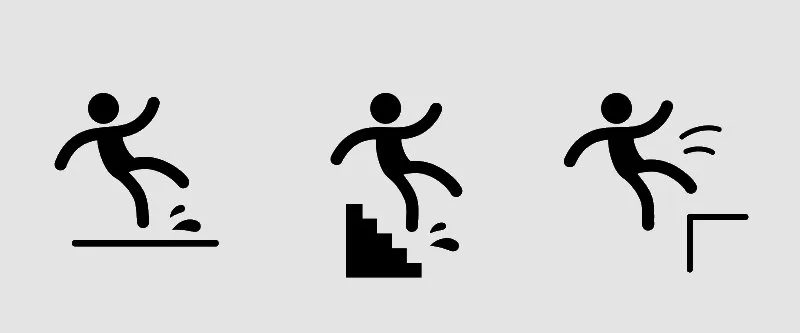
Slips, trips and falls can disrupt clinic flow, reduce patient confidence and harm staff. People visiting an optical practice may already have reduced vision, balance problems, pain, frailty or mobility needs, which increases the risk of injury.
Some incidents occur on the same level, such as slipping on a wet floor or tripping over a cable. Others involve low-height falls from step stools, stepladders, chairs or boxes used to reach stock or displays. Both types require practical measures to reduce risk.
Optical staff are not expected to diagnose why a patient falls. They should keep the environment safe, identify avoidable hazards, call for help when someone is injured and report issues that need action by a manager or responsible person.
Who may be affected?
- Patients and customers: including older people, children, wheelchair users, people using walking aids and people with reduced vision.
- Staff: especially during deliveries, cleaning, pre-screening, stock work, rushing between rooms or closing down at the end of the day.
- Visitors and contractors: who may not know the layout, route changes or temporary hazards.
- The business: incidents can disrupt appointments, damage trust and show that existing controls are not working.
A safer optical practice is one where ordinary hazards are noticed early, controlled sensibly, reported clearly and reviewed when they recur.
Ask Dr. Aiden
Rate this page
Sign up now for a free account
Course tools & details

