

Community pharmacy, Pharmacy First and medicines-related routes
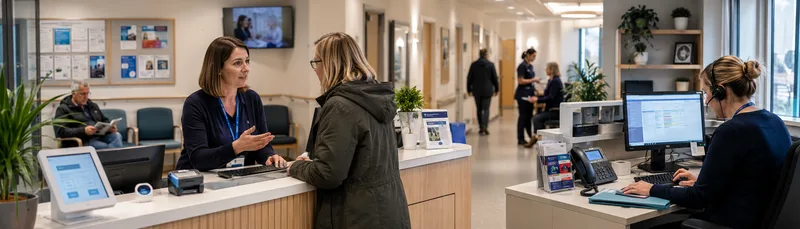
Community pharmacies are a common active signposting option. Pharmacists can advise on many medicines queries and, depending on the nation and local pathway, may provide structured services for minor illness, urgent medicine supply or Pharmacy First-style care.[1]
Use pharmacy routes carefully
Reception and care navigation staff do not need to decide whether a patient requires a pharmacist clinically. Follow the agreed protocol: confirm the pharmacy route is appropriate and available, explain how the patient should access it, and escalate if the situation falls outside the pathway.[8]
Pharmacy arrangements differ across the UK. England, Scotland, Wales and Northern Ireland have separate national services and local availability varies. Some routes require a referral from the practice or NHS 111; others allow patients to contact a pharmacy directly.[3][4][5] [7]
Do not use pharmacy signposting as a blanket answer: check the current pathway, the patient’s access needs and any reason the request should be escalated instead.
When you describe the pharmacy option, make clear the pharmacist is a qualified healthcare professional and that the service is an established part of local care. Tell the patient what to do if the pharmacy cannot help, is closed, or advises them to contact the practice.[3]
Pharmacy First: A digital explainer for GPs and healthcare leaders
Ask Dr. Aiden
Rate this page
Sign up now for a free account
Course tools & details

