
Active Signposting for GP Receptionists and Care Navigators

Helping patients reach the right service safely

  • Reputation

    No token earned yet.

    Reach 50 points to earn the Peridot (Trainee Level).

  • CPD Certificates

    Certificates

    You have CPD Certificates for 0 courses.

  • Exam Cup

    No cup earned yet.

    Average at least 80% in exams to earn the Bronze Cup.

Launch offer: Certificates are currently free when you create a free account and log in. Log in for free access

What active signposting means in general practice
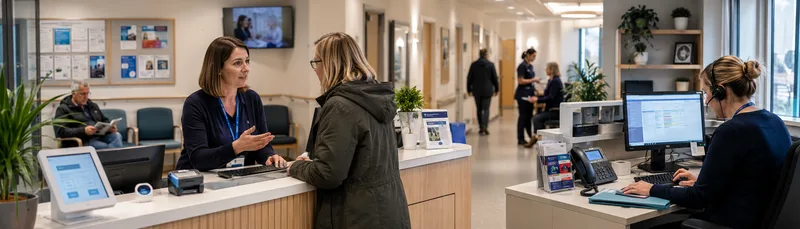
Busy GP practice reception area with staff and patients

Active signposting is helping a patient reach an appropriate service, professional or support route by giving a clear, specific and usable next step. It involves more than briefly suggesting another service.[1][2]

What makes it active

In general practice, active signposting can direct patients to community pharmacy, NHS 111 or other urgent advice routes, social prescribing, self-referral services, optometry, dentistry, local voluntary sector support or another member of the practice team. Which route is right depends on local protocols and the information the patient provides.[3][4][8]

Good active signposting should help the patient understand why a route fits their request, how to use it, what to do if it does not work, and when to return or seek urgent help.[6][5] [6][5]

Active signposting is safe only when the patient is given a specific route, a realistic way to use it, and a clear safety net if the concern changes or the route fails.

Use respectful, plain language. A patient expecting a GP appointment may feel rejected if told only "you need to go somewhere else". A brief, calm explanation is better: "The pharmacist can help with this type of medicines question today. I can explain how to contact them, and if they cannot help or you feel worse, please contact us again or use the urgent route we discuss."

Care Navigation with Dr Nick Hayward

Video: 1m 37s · Creator: Bradford District & Craven Healthcare Partnership. YouTube Standard Licence.

This Bradford District and Craven Healthcare Partnership video features GP Dr Nick Hayward explaining care navigation as a way for patients to access the right care, with the right person, at the right time. He says the process begins when a patient first contacts the practice and may involve answering a couple of questions about the reason for requesting an appointment.[2]

The video explains those questions are not about sharing intimate details with the reception team but about directing the patient to the right place. The video description adds that anything shared will be kept confidential, that patients can choose whether to share information, and that they will not be refused a GP appointment.[9]

It gives examples of possible routes, including a GP appointment, nurse appointment, direct access to mental health services or other local services, aiming to make care faster and more accessible.[3][4]

Was this video a good fit for this page?

Scenario

A patient phones asking for "a quick GP appointment" about a non-urgent request that your practice protocol says can often be handled by a local community service. The patient sounds frustrated and says, "So you are refusing me a doctor?"

What would safer active signposting look like?


Ask Dr. Aiden


Rate this page


Course tools & details Study tools, course details, quality and recommendations
Funding & COI Media Credits
