

Optometry, dentistry and other primary care routes
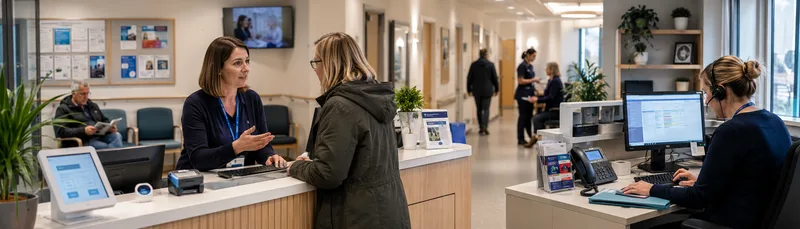
Some patients contact the GP practice because they are unsure which part of primary care should deal with their problem. Active signposting helps them reach a dentist, optometrist, community pharmacy, sexual health service, maternity route or other local service when that is the appropriate pathway. [1]
Use the right local route
Local and national arrangements matter for eye and dental concerns. Urgent dental care may be accessed via NHS services or 111-style routes. Optometry services and eye-care pathways vary between nations and local areas. A GP appointment is not always the fastest or most appropriate option. [4][6]
The reception role is to follow the agreed pathway, not to make clinical judgements about whether an eye or dental problem is safe. If a patient's description suggests urgency - severe pain, injury, sudden change, infection risk, safeguarding concern or uncertainty outside the protocol - escalate according to local rules. [2][8] [2][1]
Signposting to another primary care route should present that route as the correct place for the problem, not as the practice avoiding responsibility.
Use clear wording: "The dental urgent care route is the right route for dental problems in this area. I can give you the current contact details and explain what to do if you cannot get through." Avoid saying "GPs do not deal with that" unless your practice has approved wording and there is a safe next step to offer. [1]
Ask Dr. Aiden
Rate this page
Sign up now for a free account
Course tools & details

