
Active Signposting for GP Receptionists and Care Navigators

Helping patients reach the right service safely

  • Reputation

    No token earned yet.

    Reach 50 points to earn the Peridot (Trainee Level).

  • CPD Certificates

    Certificates

    You have CPD Certificates for 0 courses.

  • Exam Cup

    No cup earned yet.

    Average at least 80% in exams to earn the Bronze Cup.

Launch offer: Certificates are currently free when you create a free account and log in. Log in for free access

Urgent routes and when signposting is not enough
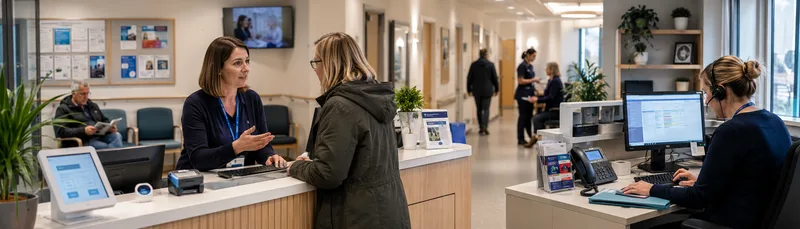
Busy GP practice reception area with staff and patients

Some requests should not be handled by routine signposting. If a patient may need urgent help, immediate emergency care, safeguarding support, urgent mental health support or rapid clinical review, follow your practice's escalation process.[1][5]

When to escalate

Reception and care navigation staff are not expected to make clinical diagnoses. You should recognise when a request does not feel safe to redirect, when a protocol requires escalation, or when the person's words, distress, deterioration or inability to use a route indicate they need more support.[1][2]

Urgent routes vary across the UK. They include 999 for life-threatening emergencies, NHS 111 or NHS 24, urgent treatment centres, GP out-of-hours services, local Phone First pathways, emergency dental routes, crisis mental health services, or your practice's same-day escalation process.[3][8][6][7] [1][5]

If you are unsure whether signposting is safe, pause and escalate through the agreed urgent route instead of trying to decide alone.

Good signposting includes safety-netting, but safety-netting does not replace escalation when there is existing risk. Telling a very unwell, distressed or confused person to "call back if it gets worse" may leave them without necessary support.[5]

When to contact 111 for urgent help - BSL - North East Ambulance Service

Video: 3m 4s · Creator: NEAmbulance. YouTube Standard Licence.

This North East Ambulance Service video explains when NHS 111 is appropriate for urgent help. It distinguishes life-threatening emergencies, where people should call 999, from urgent problems that are not immediately life-threatening, where 111 online or by phone can help.[3]

The video describes how 111 can direct people to the next step, including A&E, an urgent care centre, a local GP, a pharmacist, a dentist, an ambulance response, medicines advice or self-care. It explains that trained health advisers ask targeted questions to judge how quickly help is needed and whether an ambulance or another service is required.[3][8]

It also highlights accessible routes: people who are deaf, hard of hearing or speech impaired can contact 111 using text or a British Sign Language relay service, and people whose first language is not English can request an interpreter. Urgent signposting must use a communication route the person can actually use.[4][3]

Was this video a good fit for this page?

Scenario

A patient asks for a routine appointment but then says they feel suddenly much worse today and are frightened. The route you were about to suggest is a non-urgent community service.

What should happen next?


Ask Dr. Aiden


Rate this page


Course tools & details Study tools, course details, quality and recommendations
Funding & COI Media Credits
