

Advocacy, independent visitors and helping children use support
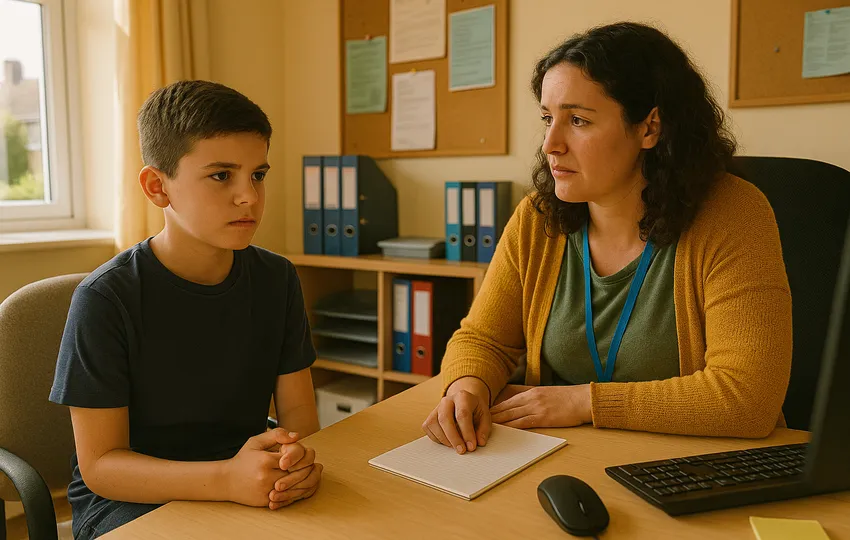
Some children can explain their view clearly and still want an advocate. Others need advocacy because meetings are confusing, adults feel intimidating, or they do not trust anyone inside the system. An advocate can help a child understand options, prepare for meetings, raise a complaint, ask difficult questions or speak up when they are unable to do so alone.
Children may also benefit from an independent visitor or other independent support when appropriate. Frontline staff do not need to act as the advocate. Their role is to tell the child that support exists, help them access it and respond appropriately if the child chooses to use it.
A child should be able to ask about advocacy privately and without feeling that staff are gatekeeping access. Staff can make contact details easy to find, offer practical help to make contact and record the request without turning it into a confrontation.
NYAS Advocacy
Barnardo's | Advocacy Service | Mentor for Micheal (Aged 12)
What staff should know here
- Advocacy is for the child: it should follow the child's view, not the service's preference.
- Independence matters: some children talk more freely to someone outside the home.
- Access should be easy: children should not have to fight to find out how advocacy works.
- Using an advocate is not disloyal: it should not damage the child's relationship with staff.
- Staff still have a role: they can help children understand how to ask for support.
A child needing an advocate is not a failure of care. It often indicates they need more help to use their rights effectively.
Ask Dr. Aiden
Rate this page
Sign up now for a free account
Course tools & details

