

Responding when children say the home is not helping or feels unsafe
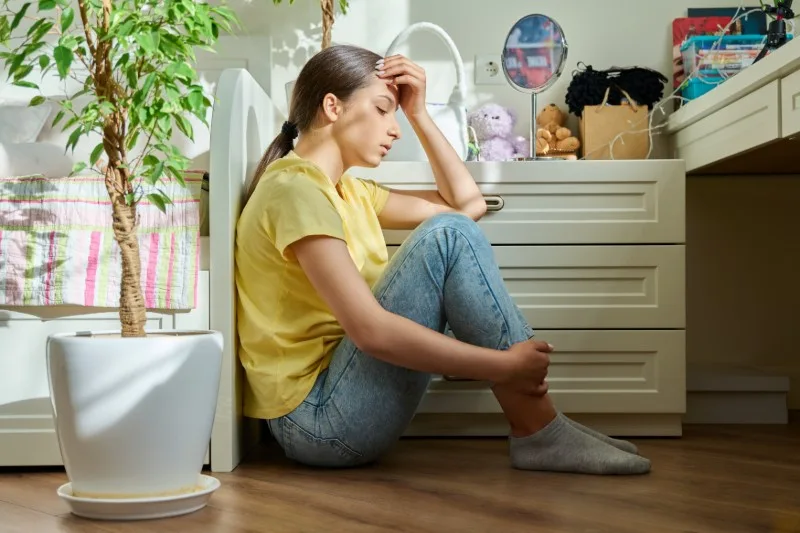
When a child says the home feels unsafe, unfair or not protective enough, adults should slow down and listen. The child may be reporting bullying, unsafe peer dynamics, staff behaviour, privacy problems, repeated sanctioning, discrimination, unmet emotional need or a more urgent threat. The immediate task is to understand what harm or risk the child is describing, not to defend the home.
If a child reports that staff ignored sexualised bullying, that an adult frightened them, or that someone in the home is hurting them, treat this as a potential safeguarding concern and act promptly to keep the child safe.
Safer frontline response
- Listen first: defensiveness will stop the child from giving full details.
- Check immediate safety: decide whether urgent action is needed tonight.
- Explain what happens next: give clear, honest information about likely steps.
- Record carefully: use the child's words and factual descriptions where possible.
- Use the right route: complaint process, management action, advocacy, safeguarding - or a combination as required.
When a child says the home feels unsafe, the first duty is to check whether the home is safe enough tonight.
Ask Dr. Aiden
Rate this page
Sign up now for a free account
Course tools & details

