

Meetings, reviews, records and making the child's voice visible
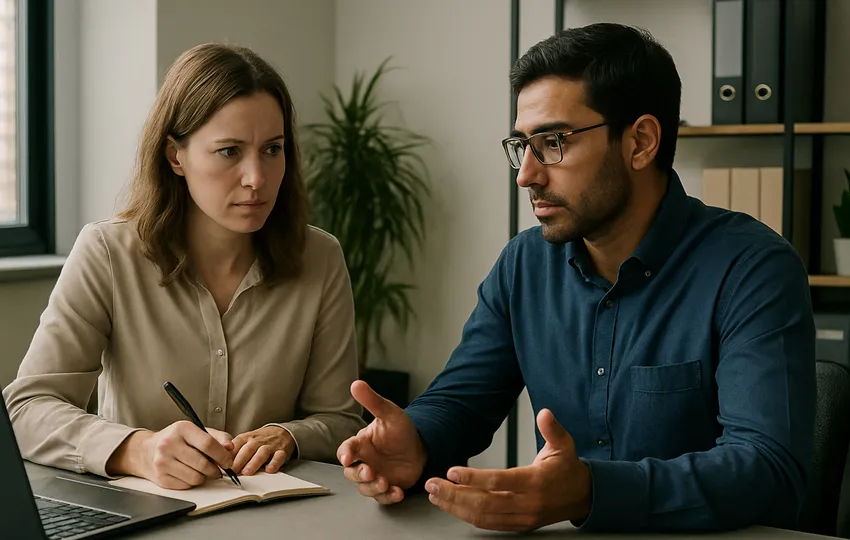
A child's view can be lost in meetings even when adults say participation matters. Staff can prevent this by preparing the child, using the child's own words, and making sure records show what the child actually wanted, feared or objected to.
Good recording keeps the child's language and feelings intact. If a child says, "I hate how it feels here when everyone is shouting," that phrase should appear in the record or be clearly reflected, so the next professional understands both the decision made and the child's experience.
If a child does not want to attend a meeting, staff should still support participation. Explain the issues, agree how the child's view will be shared, and check afterwards that the written record matches what the child intended.
What helps keep the child's voice visible
- Prepare the child: explain the meeting's purpose and the options for taking part.
- Use the child's wording: preserve their language because it often carries meaning adults might miss.
- Notice silence: choosing not to speak can itself be information to record.
- Record outcomes clearly: state what the child asked for and any actions taken.
- Review whether participation was real: check that the child's involvement was meaningful, not only that they were present.
If the record smooths away the child's discomfort, the system may start planning around a version of them that was never really there.
Ask Dr. Aiden
Rate this page
Sign up now for a free account
Course tools & details

