

Why voice, choice and participation matter in residential care
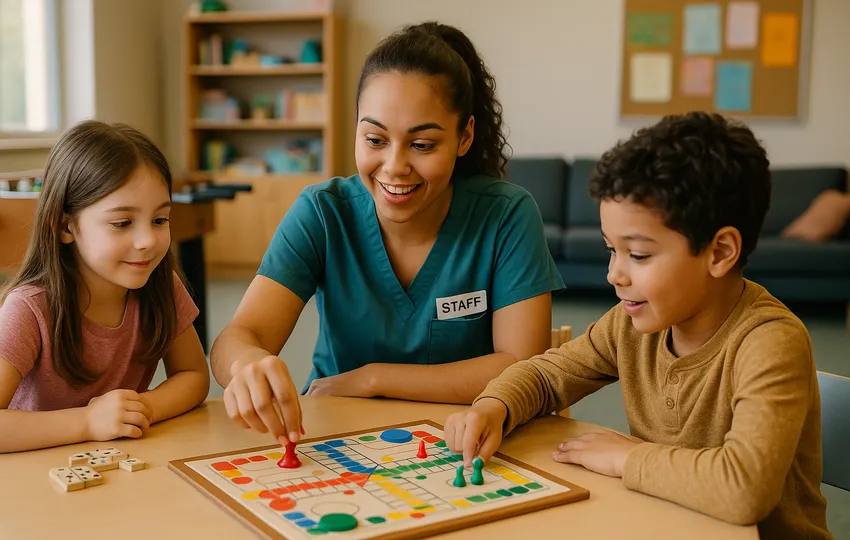
Children in residential homes often experience decisions being made for them. That can leave them feeling powerless, angry or resigned. Meaningful participation does not remove every frustration, but it reduces unnecessary powerlessness and shows children adults are working with them, not just about them.
When children see their views change something, however small, trust tends to grow. When adults ask but do not act on what they hear, cynicism follows. Good participation supports safety and belonging and improves decisions because children often understand how plans will work in their day-to-day lives.
Why this matters day to day
- Choice builds dignity: children need real influence where it is possible and safe.
- Voice supports disclosure: being listened to in everyday matters makes it easier to raise serious concerns.
- Participation reduces conflict: children cope better when they understand decisions and feel heard.
- Resignation is a warning sign: giving up on being heard can mean the home no longer feels safe to use.
- Children hold important knowledge: their views often reveal practical barriers adults miss.
Children do not need adults to agree with them every time. They do need adults to listen as if their view matters.
Ask Dr. Aiden
Rate this page
Sign up now for a free account
Course tools & details

