

What children's rights, advocacy, complaints and participation mean
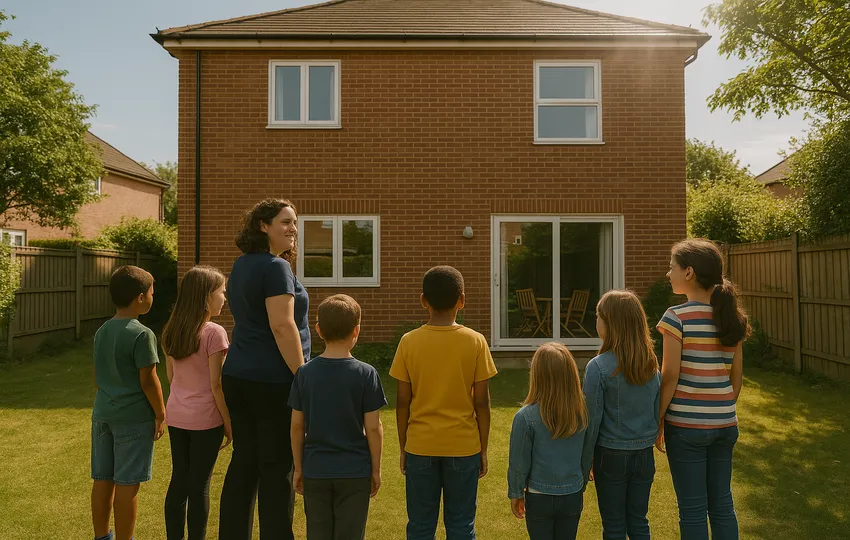
In children's homes, rights are realised through daily practice. They include being treated with dignity, having views taken seriously, knowing what is happening, understanding how to get help, being able to complain and receiving support to take part in decisions. Participation means giving children genuine influence where possible and explaining clearly and honestly when a decision cannot change.
Advocacy is independent support that helps children express their wishes, understand options and challenge decisions when needed. Complaints are a formal route for raising concerns, but children also bring up worries informally through key work, house meetings, reviews or during everyday interactions.
Information about rights, advocacy and complaints should be provided repeatedly in accessible formats. Children often need time, privacy and trust before they use the routes available to them.
VOYPIC Claire and Jonny talk about the rights of children in care
What frontline staff should remember
- Rights are practical: they affect routines, privacy, access to information and decision-making.
- Participation should be meaningful: token consultation damages trust.
- Advocacy is supportive, not hostile: it helps children understand and express their views.
- Complaints are useful information: they indicate where care feels unfair, unsafe or unheard.
- Safety still comes first: some concerns need immediate safeguarding action as well as listening.
England's children's homes guidance and inspection guidance stress that homes must actively promote children's views, rights and entitlements. Practically, that means making information and routes for support easy to access and safe to use.
Rights become real for children when the home makes them usable, not just visible on a poster.
Ask Dr. Aiden
Rate this page
Sign up now for a free account
Course tools & details

