

Equality, communication needs and removing barriers to being heard
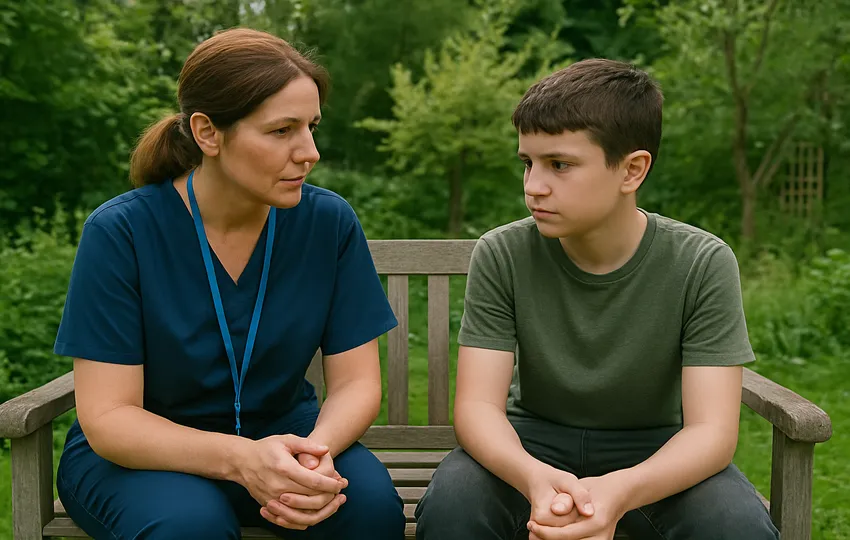
Children communicate in different ways. Some need more time, simpler language, visual aids, one-to-one conversations, advocacy, interpreters, assistive communication devices or quieter spaces. Others avoid eye contact, go silent in groups or agree quickly because disagreeing feels unsafe. Homes must not treat limited verbal participation as if the child has no view.
Identity affects participation. Disability, neurodivergence, race, culture, faith, sexuality, gender identity, trauma history and prior discrimination shape whether a child expects to be listened to and whether they trust adult systems. Participation should be adapted to the child, not the other way round.
Accessible participation often requires reasonable adjustments: translated information, communication aids, extra processing time, a preferred worker or a different environment. The practical test is whether the child can understand decisions, express views and check what will happen.
Common barriers that need active removal
- Communication barriers: the child cannot use the format the adults are relying on.
- Group pressure: some children cannot speak freely in formal meetings.
- Trauma response: freezing, pleasing or shutting down can hide real views.
- Discrimination and mistrust: previous experiences may make the child expect not to be heard.
- Information overload: too much language too quickly can block real participation.
The child who speaks least easily may need the strongest support for being heard well.
Ask Dr. Aiden
Rate this page
Sign up now for a free account
Course tools & details

