

Body fluids, laundry, waste, and infection-related hazards
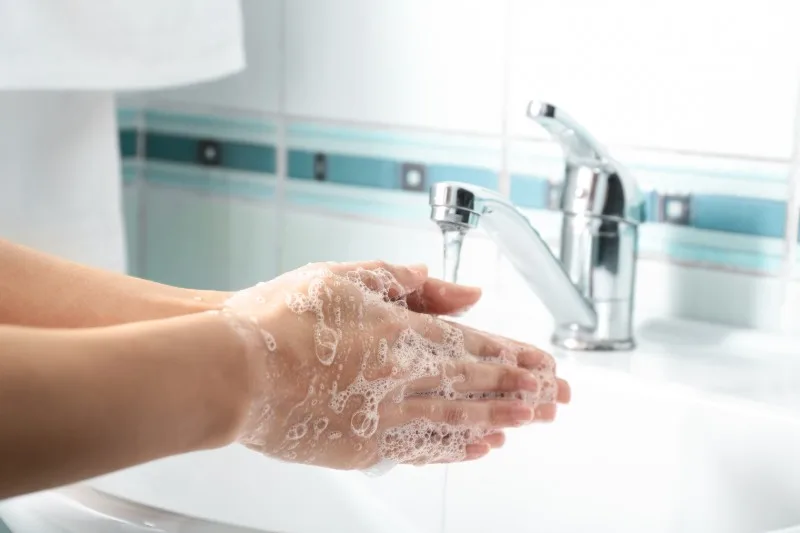
COSHH includes biological agents that can cause illness. In care homes this overlaps with infection prevention and control. Blood, vomit, faeces, urine, respiratory secretions, contaminated PPE, soiled laundry and waste can all expose staff and residents if not managed correctly.
The DHSC adult social care IPC resource for England sets out standard infection control precautions: hand hygiene, appropriate PPE, safe management of the environment, laundry, blood and body-fluid spills, waste disposal and actions after exposure. This course does not replace IPC training; COSHH explains why exposures to biological material must be controlled.
Practical care-home situations
- Cleaning after vomiting or diarrhoea
- Handling soiled clothing or bedding
- Dealing with blood or wound dressing waste
- Managing continence products and clinical waste
- Responding to sharps, bites, scratches, or splash exposure
Controls that matter
- Assess the task before starting: identify likely contact with body fluids and any known infection risks for the resident.
- Use the right PPE: select gloves, aprons, eye protection or masks that match the task and level of risk.
- Do not spread contamination: change gloves between tasks and perform hand hygiene after removing PPE.
- Follow laundry and waste procedures: avoid shaking soiled laundry and use the correct bagging and waste routes.
- Report exposures: bites, needlestick injuries, splashes to the eyes, or contact with broken skin require prompt action and reporting.
Body fluids, contaminated laundry and waste are COSHH concerns because they can expose staff and others to biological agents. Safe handling reduces risk to residents, workers and the wider home.
Ask Dr. Aiden
Rate this page
Sign up now for a free account
Course tools & details

