

COSHH assessments and the hierarchy of control
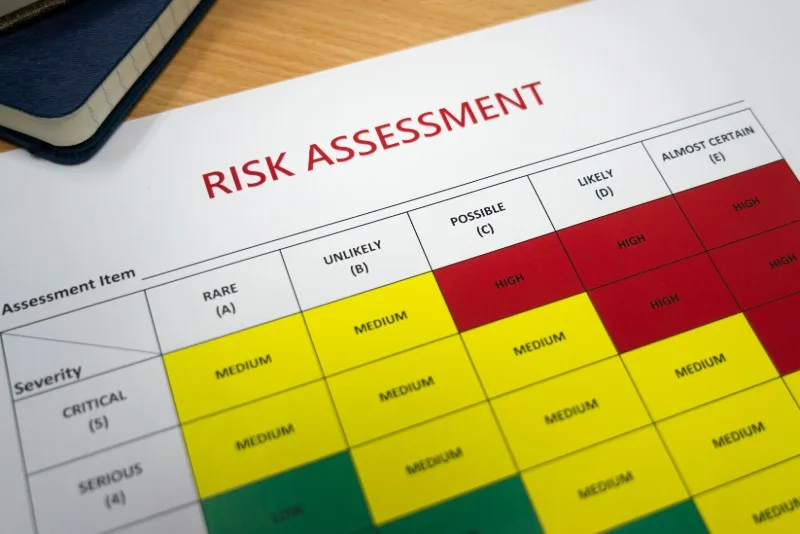
A COSHH assessment identifies the substance, the task, who might be harmed, how exposure could occur, and what controls are required. Frontline staff usually do not write the assessment, but they must understand the parts that affect their work.
What a COSHH assessment should consider
- The hazardous substance: the harm it can cause and whether a safer alternative is available.
- The task: frequency and duration, and whether exposure could occur by splashing, inhalation, skin contact, swallowing, or injection.
- Who could be exposed: care staff, residents, visitors, cleaners, laundry staff, maintenance workers, agency staff, and contractors.
- Existing controls: storage, labelling, dilution systems, ventilation, PPE, training, spill kits, waste routes, and supervision.
- Review triggers: new products or equipment, incidents or near misses, skin problems, staff changes, or changes to work methods.
The hierarchy of control
COSHH seeks to prevent exposure or reduce it to an acceptable level. PPE is a necessary measure in some situations but is the weakest control and should not be the first response. HSE examples of controls include safer products and processes, engineering measures, procedures, supervision, training, hygiene, and behaviour.
- Eliminate or substitute: avoid using the substance or replace it with a safer product when reasonably possible.
- Reduce handling and exposure: use ready-diluted products, closed dosing systems, smaller containers, or safer work methods.
- Control the environment: provide ventilation, secure storage, restricted access, and defined cleaning routes.
- Use safe systems of work: clear procedures, appropriate training, supervision, spill response plans, and waste arrangements.
- Use PPE correctly: gloves, aprons, eye protection, masks, or other items when the risk assessment specifies them.
A COSHH assessment only protects people if its controls are understood and followed. Frontline staff need clear practical instructions, and managers must keep the system current.
Ask Dr. Aiden
Rate this page
Sign up now for a free account
Course tools & details

