

Cleaning chemicals, disinfectants, and safe storage
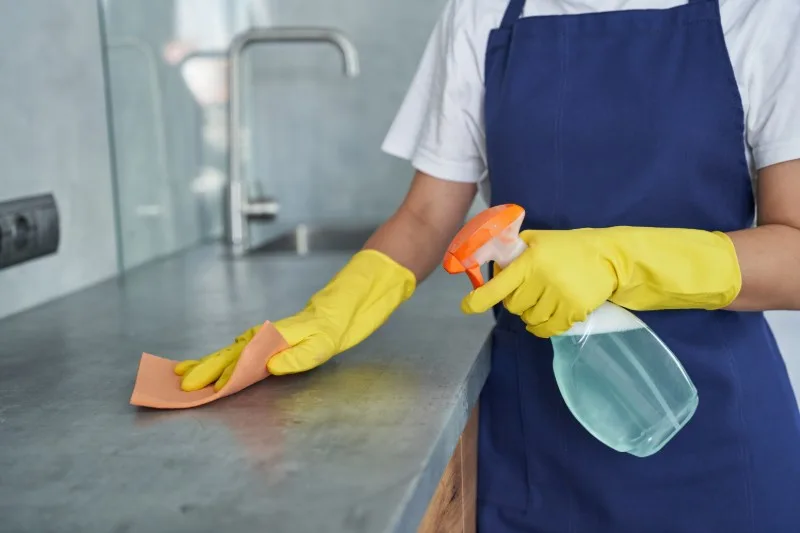
Cleaning and disinfection reduce infection risk in care homes, but the products themselves can harm staff or residents if mixed, overused, sprayed into the air, diluted incorrectly, or stored where people can access them. COSHH makes the necessary risk controls clear.
Common risks from cleaning products
- Skin and eye contact: splashes, contaminated gloves, or wiping surfaces without suitable protection.
- Breathing in vapour, spray, or mist: especially in small rooms or where ventilation is poor.
- Accidental swallowing: particularly if products are stored in drink bottles or are accessible to residents.
- Unsafe mixing: bleach-based products mixed with acidic toilet cleaners or ammonia can release harmful gases.
- Over-concentration: using too much product rarely improves cleaning and increases health risk.
Safe cleaning habits
- Use the product specified locally: do not substitute because something smells stronger or seems quicker.
- Follow dilution instructions: use the correct method and equipment when dilution is required.
- Never mix cleaning substances: do not combine products, even if someone suggests it gives better results.
- Use ventilation where required: open windows or use mechanical ventilation when local procedure or product instructions call for it.
- Store securely: keep products away from residents, visitors, heat, sunlight, food, and incompatible substances.
Consider residents who may have dementia, learning disabilities, confusion, visual impairment, or curiosity about unfamiliar containers. Secure storage protects residents as well as staff.
Safe cleaning is not about using the strongest product. It is about using the right product, in the right way, with the right controls, and storing it where it cannot harm people.
Ask Dr. Aiden
Rate this page
Sign up now for a free account
Course tools & details

