

What COSHH covers in care homes
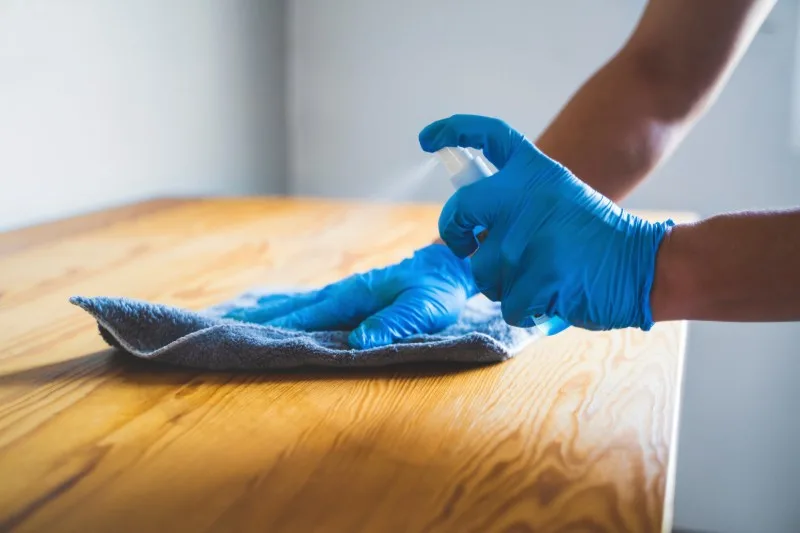
COSHH covers substances and biological materials that can harm health. In a care home this includes more than obvious industrial chemicals. Examples include cleaning and disinfectant products, laundry chemicals, descalers, aerosols, body fluids, contaminated waste, soiled laundry, and some medicines or topical creams that staff might handle.
HSE guidance for care homes says COSHH assessments are often straightforward, but they must reflect real local risks. Staff should know which substances they may meet, how exposure could occur, and which controls and procedures to follow.
Common COSHH-relevant examples
- Cleaning and disinfectant products: surface cleaners, toilet cleaners, descalers, sanitisers, bleach-based products, floor products, and concentrates.
- Laundry and housekeeping substances: detergents, stain removers, disinfecting products, and substances used in sluice or laundry areas.
- Biological agents: blood, vomit, faeces, urine, respiratory secretions, body-fluid spills, and contaminated equipment or surfaces.
- Waste and sharps-related contamination: used dressings, continence waste, contaminated PPE, sharps bins, and accidental exposure to blood or body fluids.
- Medicines and topical products: some creams, patches, powders, or cytotoxic medicines may need additional handling controls where local assessment shows a risk.
What COSHH is not
COSHH does not cover all health and safety hazards. Lead, asbestos, and radioactive materials are regulated separately, and fire or explosion risks may need other controls. However, if a substance can harm health by contact, inhalation, swallowing, injection, or biological exposure, COSHH principles will normally apply.
COSHH in care homes is not only about strong chemicals. It covers any work-related substance or biological material that could harm health if exposure is not controlled.
Ask Dr. Aiden
Rate this page
Sign up now for a free account
Course tools & details

