

Dirty-to-Clean Workflow and Safe Handling
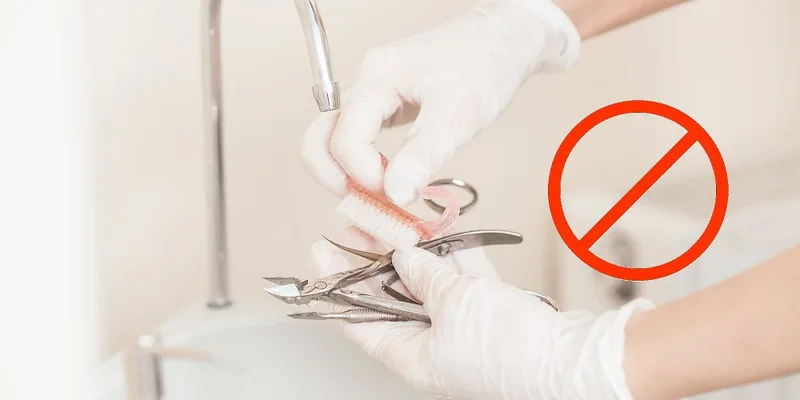
A safe decontamination area has a clear direction of travel from dirty to clean. Used instruments must not cross paths with clean or sterilised items. Hands, gloves, trays, worktops, packaging and records can all spread contamination if the flow is muddled.
Dirty instruments should be moved according to the practice procedure. Sharps need particular care: burs, blades, needles, endodontic files and pointed instruments can injure staff even when experienced. Use suitable gloves, be aware of puncture risks, use safe trays and avoid rushing.
Practical dirty-to-clean habits
- Keep contaminated instruments contained and separate from clean items.
- Remove disposable sharps or single-use items according to local policy.
- Put on the correct PPE before handling used instruments.
- Do not place dirty trays on clean benches or near wrapped instruments.
- Clean and disinfect work surfaces according to the practice schedule.
Some practices have a dedicated decontamination room. Others must create clear zones within a smaller space. In every setting, organise the process so dirty items progress to clean status without recontaminating instruments, packaging areas or storage.
A dental nurse should feel able to challenge an unsafe layout or repeated interruptions. Saying "I am worried the dirty and clean areas are crossing over" records a patient-safety concern and helps prompt improvements to room layout, signage, workflow, staffing or timings.
Dirty-to-clean flow is straightforward, and easy to break when people rush.
Ask Dr. Aiden
Rate this page
Sign up now for a free account
Course tools & details

