

Storage, Records, Testing, and Speaking Up
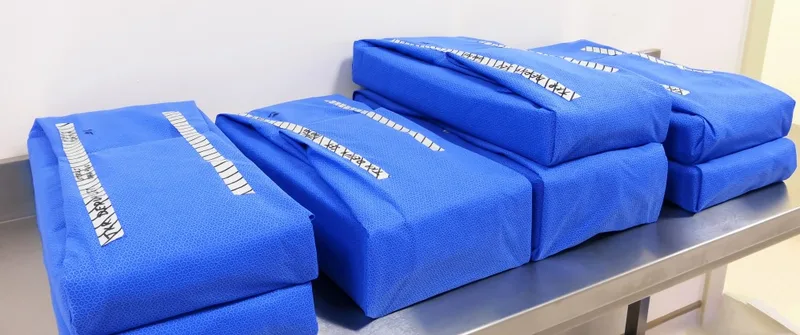
Sterilised instruments must be stored so they remain suitable for use. Packaging should be intact, dry and clean, within the practice's permitted storage period. Storage areas must protect instruments from contamination, damage, moisture and excessive handling, and keep clean, sterile and unprocessed items clearly separate.
Records provide traceability and support quality assurance. Depending on local systems, records may document cycle parameters, load contents, batch numbers, test results, maintenance logs, release checks, cleaning schedules and links between instruments and patients. Dental nurses may complete, check or use these records, so they must be accurate.
Do not use items when
- The pouch is torn, wet, stained, open or expired under local policy.
- The cycle record is missing, failed or unclear.
- The item has fallen, been handled with contaminated gloves or been stored incorrectly.
- The instrument is damaged, rusty, loose, blunt or visibly dirty.
- The practice cannot confirm that the required process was completed.
Speaking up matters when pressure comes from senior staff. A dentist, owner or manager may be focused on the waiting patient, but a dental nurse must protect the decontamination standard. Use factual, process-based language: "The cycle has failed, so we cannot release that load" or "Can we pause and check the SOP before using these?"
Complete records at the time of the process, not later from memory. Delayed paperwork can conceal problems such as a missed test, a load released before checks were finished, or an item used without traceability. Accurate records show what happened and allow the practice to act if needed.
Dental nurses can help colleagues see why records matter. A practical phrase is, "If we cannot evidence it, we cannot prove it was safe." This is important for new staff, agency staff, trainees and busy teams where informal habits can take over.
If the record cannot support the process, the team cannot confidently prove the process happened.
Ask Dr. Aiden
Rate this page
Sign up now for a free account
Course tools & details

