
Decontamination, Disinfection and Sterilisation for Dental Nurses

Safe instrument reprocessing, PPE, environmental cleaning, sterilisation, storage, records, and speaking up in dental practice

  • Reputation

    No token earned yet.

    Reach 50 points to earn the Peridot (Trainee Level).

  • CPD Certificates

    Certificates

    You have CPD Certificates for 0 courses.

  • Exam Cup

    No cup earned yet.

    Average at least 80% in exams to earn the Bronze Cup.

Launch offer: Certificates are currently free when you create a free account and log in. Log in for free access

PPE, Hand Hygiene, Uniforms, and Personal Protection
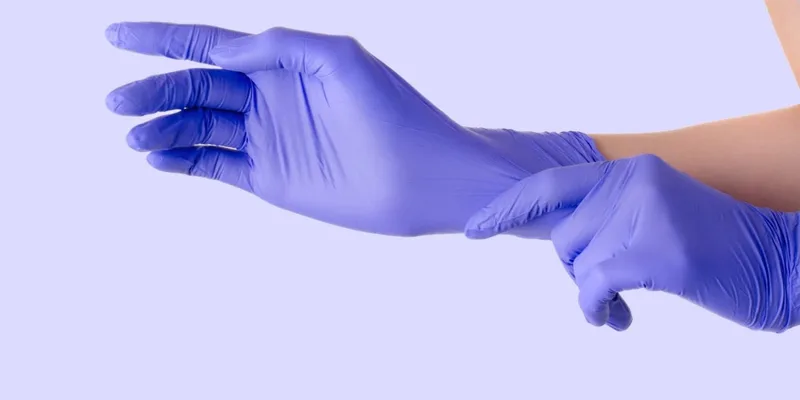
Hands putting on blue nitrile gloves

Choose PPE based on the risks of the task, not from habit or a fixed "full PPE" routine. Dental nurses need protection suitable for contaminated instruments, splashes, aerosols, chemicals, and sharps, while avoiding unnecessary PPE for low-risk tasks.

COVID-19: Donning and doffing of Personal Protective Equipment in Health and Social Care Settings

Video: 6m 45s · Creator: UK Health Security Agency. YouTube Standard Licence.

This UKHSA video shows how to put on and remove PPE safely in health and social care. It demonstrates putting PPE on in a planned order, checking it before use, and removing it without touching contaminated outer surfaces.

For dental nurses the practical points are sequence, care during removal, and frequent hand hygiene. Doffing errors occur when staff rush, touch the front of masks or aprons, or move from dirty to clean tasks without changing PPE and cleaning hands.

This is general health and social care guidance. It does not mean full PPE is required for every dental decontamination or surgery task. Follow current dental IPC guidance, manufacturer instructions, COSHH, risk assessments, and local SOPs.

Was this video a good fit for this page?

PPE and hygiene points to remember

  • Match PPE to the likely exposure from the task, patient, instrument, chemical, or environment.
  • Use appropriate gloves for instrument cleaning; ordinary clinical gloves may not be enough for heavy decontamination tasks.
  • Use eye and face protection where splashing or spray may occur.
  • Use disposable aprons, gowns, respirators, or additional protection only where the SOP or risk assessment requires them.
  • Remove PPE carefully and perform hand hygiene after removal.
  • Keep uniforms clean and follow local laundry and changing arrangements.

Hand hygiene is required at key moments: before and after treatment sessions, after removing PPE, after manual cleaning, before handling sterilised instruments, after maintaining decontamination devices, and after completing decontamination work. Jewellery, damaged skin, long nails, or unsuitable clothing can interfere with safe practice.

Scenario

A dental nurse is asked to clean contaminated instruments but the heavy-duty gloves are missing. A colleague says ordinary examination gloves will be fine "just this once".

What should guide the dental nurse's response?


Good IPC is risk-based: use enough protection for the task, avoid unnecessary overuse, and pause when the risk changes.

Ask Dr. Aiden


Rate this page


Course tools & details Study tools, course details, quality and recommendations
Funding & COI Media Credits
