
Infection Prevention, Cleaning and Decontamination for Optical Staff

Standard precautions, hand hygiene, equipment cleaning and safer optical-practice workflows

  • Reputation

    No token earned yet.

    Reach 50 points to earn the Peridot (Trainee Level).

  • CPD Certificates

    Certificates

    You have CPD Certificates for 0 courses.

  • Exam Cup

    No cup earned yet.

    Average at least 80% in exams to earn the Bronze Cup.

Launch offer: Certificates are currently free when you create a free account and log in. Log in for free access

Cleaning public areas, consulting rooms and high-touch surfaces
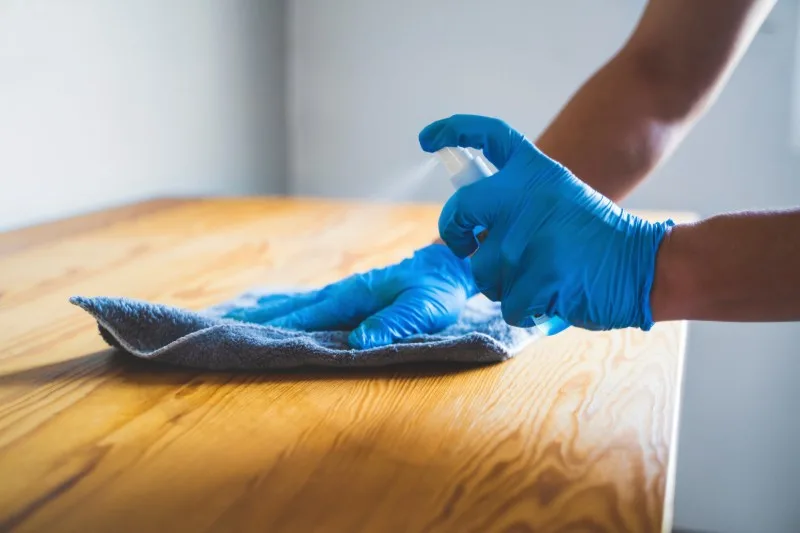
Person wiping wooden table with blue glove

A practice can look tidy while still posing infection risks. High-touch surfaces are often overlooked because they are everyday parts of the workflow rather than obvious clinical equipment.

P.1 Cleanliness and Decontamination

Video: 15m 15s · Creator: Swansea Bay NHS TV. YouTube Standard Licence.

This NHS video explains how cleanliness and decontamination interrupt the chain of infection. It covers the need for clean, dry environments, clear responsibility, correct product selection, adherence to contact time, and reporting damaged or hard-to-clean surfaces.

It explains the difference between cleaning, disinfection and sterilisation, and emphasises that cleaning is always the first step before disinfection or sterilisation.

For optical practice, the practical point is that cleaning must follow the actual workflow. If reception counters, frames, chairs, tablets, chin rests, doors and keyboards are touched during a single task, the cleaning routine should cover that chain of contact.

Was this video a good fit for this page?

High-touch areas to include

  • Reception and retail: counters, card machines, pens, clipboards, tablets, waiting chairs, frame display areas and mirrors.
  • Consulting rooms: chair arms, desk edges, door handles, keyboards, mice, phones, light switches and patient-facing surfaces.
  • Optical equipment touchpoints: chin rests, head rests, joysticks, forehead bands, trial frames, occluders and measuring tools where local procedure assigns cleaning to support staff.
  • Shared facilities: staff rooms, toilets, sinks, handles, lockers and cleaning storage areas.

Good cleaning needs a system

Staff should know what is cleaned, how often, which product to use, who is responsible and how completion is recorded. Clutter, damaged surfaces and poor storage reduce cleaning reliability. Report problems rather than working around them.

Do not improvise with unlabelled spray bottles, mixed products or products used outside their instructions. Cleaning chemicals are controlled by COSHH and must be used according to product labels and local procedures.

Scenario

After an appointment, the chin rest is wiped but chair arms, the card terminal, desk edge and the pen used by the patient are not included in the routine.

What has the team missed?


High-touch cleaning should follow the path people actually touch, not just the item that looks most clinical.

Ask Dr. Aiden


Rate this page


Course tools & details Study tools, course details, quality and recommendations
Funding & COI Media Credits
