

Standard precautions, hand hygiene and respiratory hygiene
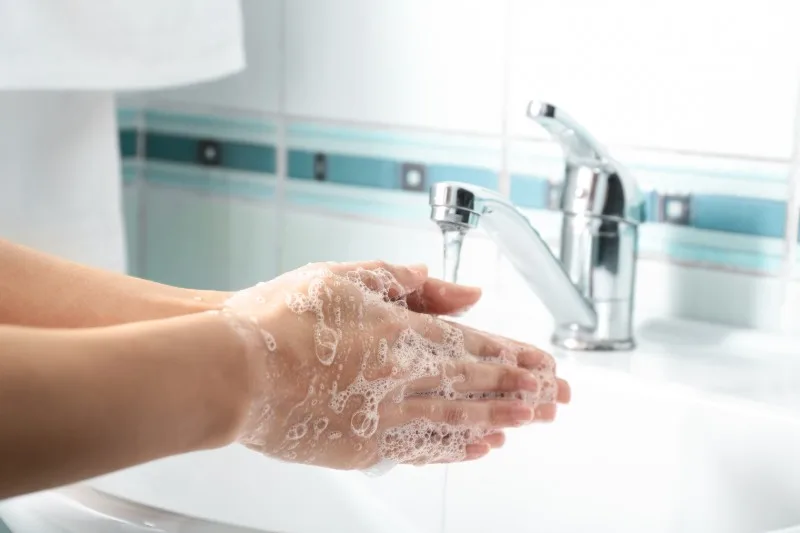
Standard infection control precautions are routine measures used with everyone. They include hand hygiene, respiratory hygiene, appropriate PPE, safe handling of equipment, environmental cleaning, waste management, spillage response and prompt reporting of concerns.
How to wash your hands | NHS
When to clean your hands
- before and after close patient or customer contact
- before putting on gloves and after removing them
- after handling tissues, waste, contaminated items or cleaning materials
- after coughing, sneezing, blowing your nose or touching your face
- before moving from cleaning or waste tasks to clean tasks
- before and after assisting with trial frames, dispensing tools or equipment cleaning where required locally
Soap and water or alcohol hand rub?
Use soap and water when hands are visibly dirty, after toilet use, following vomiting or diarrhoea risk, when caring for someone with suspected gastrointestinal infection, and when local policy requires it. Alcohol-based hand rub is appropriate when hands are not visibly soiled and a sink is not available, but it does not replace soap and water for organisms such as norovirus or spore-forming bacteria.
Respiratory hygiene
Respiratory hygiene means covering coughs and sneezes, using and promptly disposing of tissues, and cleaning hands afterwards. Reception areas should provide tissues and bins and have clear arrangements for managing patients whose symptoms affect appointment flow or staff safety.
Hand hygiene works best when it happens at the right moment. Clean hands before clean tasks, after dirty tasks and after removing gloves.
Ask Dr. Aiden
Rate this page
Sign up now for a free account
Course tools & details

