

PPE and personal presentation in optical practice
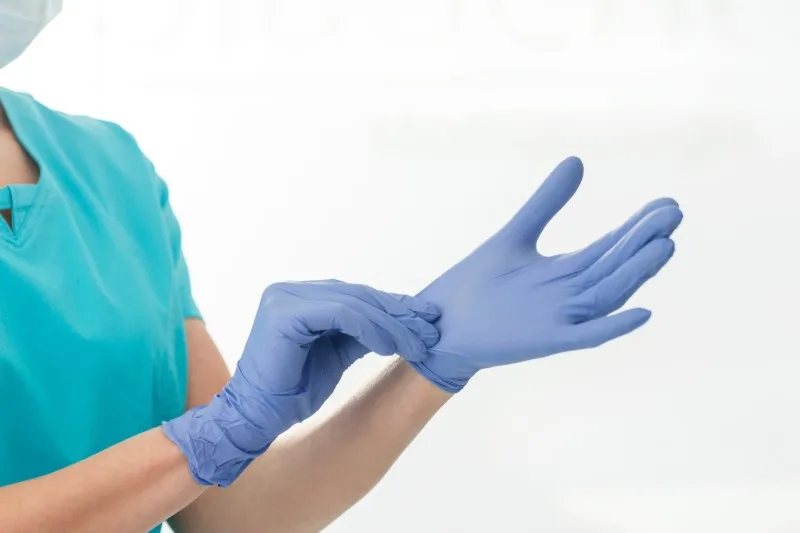
Choose PPE based on the task and the risk. In optical practice, gloves are appropriate for contaminated cleaning, responding to body-fluid spills, handling specified waste, using some cleaning chemicals, or any task required by local policy. Do not wear gloves as an all-shift habit.
Common PPE principles
- Gloves: wear them for tasks that require gloves, remove them promptly when the task ends, and perform hand hygiene after removal.
- Aprons: wear an apron where clothing may become contaminated, for example during body-fluid spill response or where local procedures specify.
- Masks and eye protection: follow employer, public health or clinical guidance. Use them for respiratory or splash risks, but they do not replace hand hygiene or surface cleaning.
- Reusable protection: clean or decontaminate reusable eye protection or visors according to the manufacturer and local instructions.
- Chemical safety: select PPE for cleaning chemicals based on COSHH information and the product instructions.
Personal presentation
If your role includes cleaning, close patient contact or assisting clinical procedures, personal presentation must support effective hand hygiene. Keep nails short and clean. Cover cuts or abrasions with a waterproof dressing. Avoid jewellery, long sleeves or clothing that prevents proper hand and wrist washing where local policy requires bare-below-elbows.
Frequent hand hygiene and glove use can cause dermatitis or cracked skin. Report any skin problems or reactions so your manager can review products, hand-care arrangements, glove types or refer to occupational health.
Common mistakes
- wearing the same gloves between unrelated tasks
- cleaning gloves with alcohol rub instead of changing them
- using gloves as a substitute for hand hygiene
- touching phones, keyboards, pens and door handles with contaminated gloves
- wearing PPE without a clear task-based or risk-based reason
PPE is effective only when it is task-based, changed at the correct time and combined with hand hygiene.
Ask Dr. Aiden
Rate this page
Sign up now for a free account
Course tools & details

