
Infection Prevention, Cleaning and Decontamination for Optical Staff

Standard precautions, hand hygiene, equipment cleaning and safer optical-practice workflows

  • Reputation

    No token earned yet.

    Reach 50 points to earn the Peridot (Trainee Level).

  • CPD Certificates

    Certificates

    You have CPD Certificates for 0 courses.

  • Exam Cup

    No cup earned yet.

    Average at least 80% in exams to earn the Bronze Cup.

Launch offer: Certificates are currently free when you create a free account and log in. Log in for free access

Cleaning schedules, waste, spillages and incident reporting
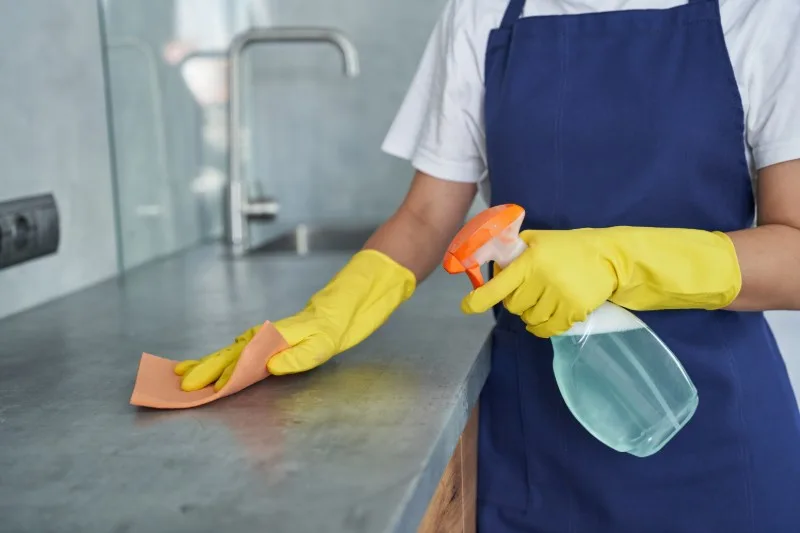
Person wiping countertop with unlabelled spray and cloth

Planned, recorded and reviewed cleaning reduces risk. Clear local procedures for waste and spillages prevent staff having to guess under pressure.

Safe Management of Blood and Body Fluid Spillages HD

Video: 5m 31s · Creator: TheNHSEducation Supportweb. YouTube Standard Licence.

This NHS Education for Scotland animation explains how to manage blood and body-fluid spillages. It sets out five steps: cordon off the spillage, assess the type of spillage, gather the correct equipment, protect yourself, then disinfect and clean following local procedure.

The correct response depends on the fluid, the surface and the risk of splashing. Do not apply chlorine-releasing agents directly to urine because they can release chlorine gas.

In optical practice, support staff should know where spillage procedures and equipment are kept, when to keep people away from the area, and when to escalate to a manager or a trained responder.

Was this video a good fit for this page?

Cleaning schedules and logs

A useful cleaning schedule names the area or item, the frequency, the method, the product, the responsible role and the record to complete. Logs should be simple to use while showing that important tasks were completed.

Waste and sharps

Most optical support staff handle general waste, tissues, packaging and routine cleaning waste. Some practices also produce clinical waste, sharps or contact-lens related waste depending on services offered. Do not place sharps or contaminated items into ordinary bins if local policy prohibits it. If you find a loose sharp, an unknown contaminated item or a leaking waste bag, stop and escalate rather than picking it up without training.

Spillages and exposure incidents

Report body-fluid spillages, splash exposures, needlestick injuries, chemical splashes, cleaning-product misuse and missed decontamination promptly. Records should state what happened, where, when, who was informed, immediate actions taken and any required follow-up.

Scenario

A patient vomits in the waiting area. A staff member grabs an unlabelled spray bottle and some paper towels because the practice is busy and the area needs to reopen quickly.

What are the problems with this response?


When waste, spillages or exposure incidents occur, stop guessing. Make the area safe, use the local procedure and report promptly.

Ask Dr. Aiden


Rate this page


Course tools & details Study tools, course details, quality and recommendations
Funding & COI Media Credits
