

Recording adjustments and improving practice systems
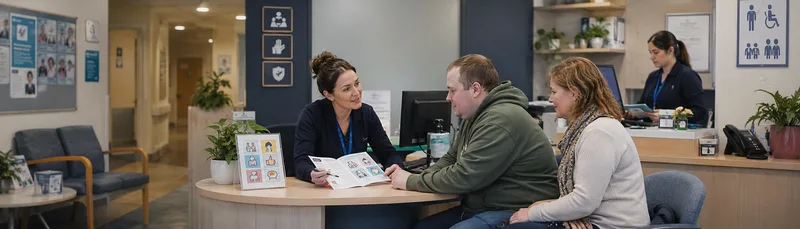
Clear, accurate records let the next member of staff support the patient without starting again and show whether reasonable adjustments are being applied.
Record practical information
Record the patient’s preferred contact method, need for easy read materials, involvement of a supporter, any waiting-room adjustments, communication style, barriers to annual health checks and reasons for failed appointments.
Make records respectful and actionable. Avoid vague labels such as "difficult" or "poor historian". Use factual wording that helps the next person communicate safely.
Improve the system
- Review patterns of missed appointments or failed calls.
- Check that adjustment flags are visible when booking appointments.
- Raise recurring barriers that staff encounter.
- Include learning disability access in team huddles and training.
Reasonable adjustments work best when the record prompts action before the patient has to ask again.
When an adjustment is recorded but not acted on, treat that as a system failure to fix rather than a new request the patient must repeat.
The practice should check whether its systems actually use recorded adjustments. If letters, reminders and appointment bookings do not change, the record is not improving access.
A reliable system prevents good practice relying on one receptionist remembering one patient. Adjustment information should be visible where appointments, messages and call-backs are managed.
Ask Dr. Aiden
Rate this page
Sign up now for a free account
Course tools & details

