

Adult safeguarding in general practice first contact
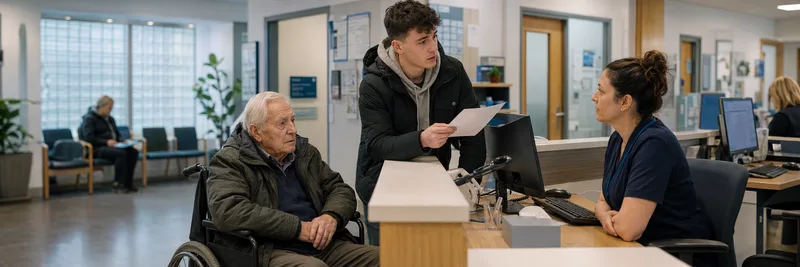
Adult safeguarding protects people who have care and support needs and who may be unable to protect themselves from abuse, neglect or exploitation. In general practice, concerns often arise during routine access work.
Why first contact matters
Reception and care navigation staff frequently hear or observe information before a clinician sees the patient. A call that sounds like an appointment request may reveal fear, control, neglect or unmet care needs.
Some adults disclose harm directly. Others minimise what is happening, ask to be contacted safely, withdraw a request or allow someone else to speak for them. Staff do not need to prove abuse before escalating a concern.
Good Practice Safeguarding
Where concerns can appear
- Telephone calls: someone else answering for the patient, prompting replies, interrupting, or refusing to let the patient speak privately.
- Reception desk contacts: a patient appearing fearful, confused, withdrawn, distressed or unusually dependent on another person.
- Online requests: messages about unsafe contact, being unable to attend alone, medication being withheld, or someone controlling appointments.
- Routine admin: repeated changes to contact details, proxy access requests, letters being collected by others, or unusual requests for records or forms.
- Missed care: missed reviews, unexplained medicine gaps, uncollected prescriptions, untreated wounds or repeated cancellations.
Keep the focus on safety
The first-contact role is to notice potential risk, record what was said or observed and follow the local escalation route. This is not the same as making an allegation, investigating the family or deciding whether a legal threshold is met.
If the person may be in immediate danger, routine appointment handling is not enough. Urgent clinical, safeguarding or emergency support may be needed.
Adult safeguarding at reception is about noticing possible risk and passing it to the right person, not proving what has happened.
Ask Dr. Aiden
Rate this page
Sign up now for a free account
Course tools & details

