

Recording, confidentiality and information sharing
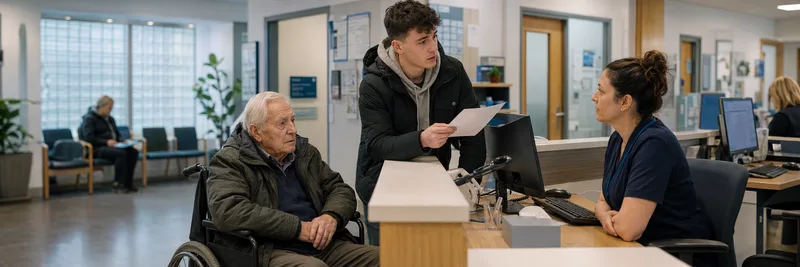
Clear, accurate records help safeguarding leads and clinicians see what happened and why. Record facts promptly and respectfully.
Record clearly
Safeguarding records should enable another practitioner to act safely. Note what was said, who said it, what you observed, who was present, what you did and who took responsibility.
Avoid vague labels that obscure detail. For example, "Patient said, 'my partner checks my NHS App'" is more useful than "relationship issues". If you record a concern, include the factual basis.
- Use the person's own words where possible, especially for disclosures, fears about contact, or concerns about safety.
- Record who was present or audible, including relatives, carers, neighbours, employers or anyone prompting the patient.
- Separate facts from interpretation, for example what you heard, saw or were told.
- Record action and ownership, including who you informed and what was agreed.
- Flag unsafe contact issues according to the local process.
Confidentiality and safe sharing
Confidentiality does not prevent sharing relevant information via safeguarding routes. Staff may receive concerns from relatives, carers or other agencies even where they cannot disclose patient information back.
When there is concern about abuse, neglect or exploitation, pass the relevant information to the safeguarding lead, clinician or other approved route. Do not share details with people who are not involved.
Confidentiality matters, but it should not be used as a reason to ignore or hide safeguarding risk.
Ask Dr. Aiden
Rate this page
Sign up now for a free account
Course tools & details

