

Who may be an adult at risk
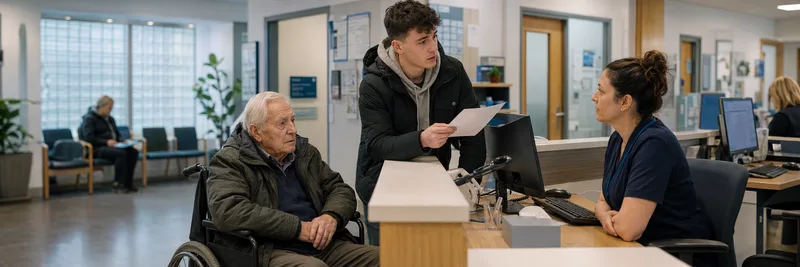
An adult at risk may need care or support because of disability, illness, frailty, mental ill health, cognitive impairment, substance use, trauma, homelessness or dependence on others.
Risk is about the situation, not a label
Safeguarding language can sound like it describes a fixed type of person, but vulnerability often depends on circumstances. Someone who usually manages independently may be unable to protect themselves during illness, bereavement, coercion, homelessness, financial pressure or increasing dependence on another person.
Reception staff should not make assumptions. Older age, disability, mental ill health or substance use do not automatically indicate a safeguarding concern. The relevant question is whether the adult may be experiencing abuse, neglect or exploitation and may be unable to protect themselves.
Adult Safeguarding What is Adult Safeguarding
Factors that may increase risk
- Reliance on another person for money, transport, care, communication, medication or access to appointments.
- Isolation or loss of support, especially where the patient rarely speaks for themselves or is hard to contact safely.
- Difficulty understanding information or expressing wishes, including cognitive impairment, learning disability, acute confusion or communication barriers.
- Fear of consequences if they speak openly, challenge a carer, refuse a request or attend alone.
- Dependence linked to housing or immigration status, including homelessness, sofa-surfing, insecure accommodation or control by another person.
Consent, authority and speaking for the patient
Many patients want a family member, friend or carer to help. That can be appropriate, but it becomes concerning when the patient is prevented from speaking, contact details are changed without clear consent, or someone claims authority that is not recorded.
Changes to phone numbers, addresses, proxy access, repeat medication control or collection of letters can affect privacy and safety. When a request changes who controls contact with the practice, staff should slow down and follow the local process to check consent and authority.
Vulnerability is not a label for the person; it is a reason to think carefully about their safety, wishes and support.
Ask Dr. Aiden
Rate this page
Sign up now for a free account
Course tools & details

