

Practice systems, safer culture and staff support
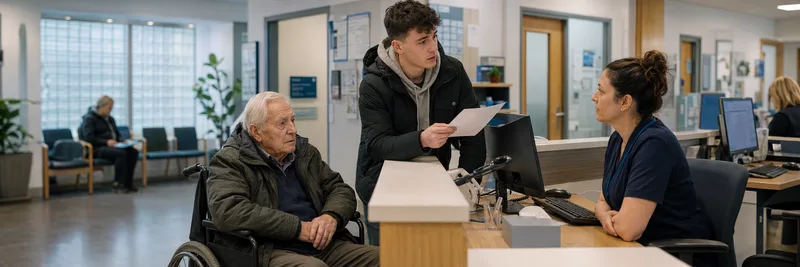
Effective adult safeguarding relies on clear practice systems as well as staff awareness. Reception and admin teams need defined routes for concerns, visible named leads, safe-contact procedures and protected time to raise worries.
Systems make safeguarding possible
Safeguarding is weaker when staff must improvise under pressure. A safer practice specifies where to record concerns, who should be told, how to handle urgent problems and what to do when proxy access, online records or contact details create risk.
Reception and administration staff should raise concerns without needing certainty. Early, factual reports of small details can prevent harm once they reach the right person.
Safer practice systems include
- Named safeguarding leads and deputies whose availability is clear to reception and admin staff.
- Clear urgent and non-urgent escalation routes, including what to do when the usual lead is unavailable.
- Safe-contact and proxy-access procedures for phone numbers, letters, texts, online records and app access.
- Training, supervision and reflective discussion so staff can learn from real access and reception scenarios.
- Audit of records, proxy access and safe-contact alerts to check that concerns are visible to the right people and hidden from the wrong people.
- Debrief after difficult contacts, especially disclosures, threatening calls or incidents involving known patients.
Culture matters
Staff are more likely to report concerns when they are listened to and supported. A dismissive response can make safeguarding information stop being raised. A safe culture thanks staff for noticing, helps them record accurately and checks that someone is taking the concern forward.
When a safe-contact warning was missed or a controlling caller obtained information, the practice should review which step failed and adjust the process so the safer route is easier next time.
A safer culture expects staff to raise concerns early, even when the evidence is incomplete.
Ask Dr. Aiden
Rate this page
Sign up now for a free account
Course tools & details

