

Child safeguarding in general practice first contact
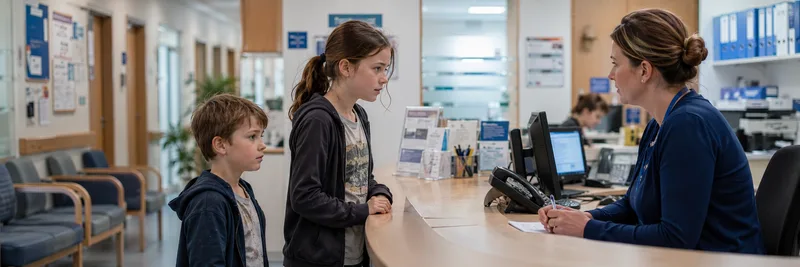
Child safeguarding means protecting children from maltreatment, preventing harm to their health or development, and ensuring they receive safe, effective care. In general practice, relevant safeguarding information often appears before a child sees a clinician.
A safeguarding concern may not be a clear disclosure. It can be a parent speaking over a child, an unexplained injury, missed reviews or immunisations, a frightened young person, a request for secrecy, unsafe contact details, or a pattern visible only across several contacts.
Why first-contact staff matter
Reception staff commonly hear and see things that never reach the clinical consultation. A child may speak briefly at the desk, a caller may forget the child is in the background, a parent may cancel repeatedly when asked to bring the child in, or a teenager may ask for privacy before explaining their need.
These observations are not clinical diagnoses but they are safeguarding information. Record them clearly and pass them to the appropriate person so the practice can assess risk in context.
Good Practice Safeguarding
Where concerns may appear
- Appointment requests: repeated urgent requests, repeated cancellations, refusal to bring the child, or delay in seeking help.
- Phone calls: concerning background comments, adults speaking for the child, or children sounding frightened or distressed.
- Online requests: young people asking for privacy, parents requesting access, or wording that suggests harm, exploitation or fear.
- Attendance at the desk: a child appearing withdrawn, hungry, dirty, unusually anxious, injured or overly responsible for adults.
- Record patterns: missed immunisations, missed reviews, medication gaps, repeated address changes or previous safeguarding notes.
Keep the child's experience visible
Adult explanations can be relevant, but they should not automatically replace the child's account. If the child is present, consider whether they have been seen or heard. If the child is absent, consider whether the request affects their health, safety or access to care.
The child's safety can depend on small pieces of information being noticed, recorded and shared.
Ask Dr. Aiden
Rate this page
Sign up now for a free account
Course tools & details

