

Recording, confidentiality and information sharing
Good safeguarding records are factual, timely and clear. They show what was said or seen, why it mattered and what action was taken.
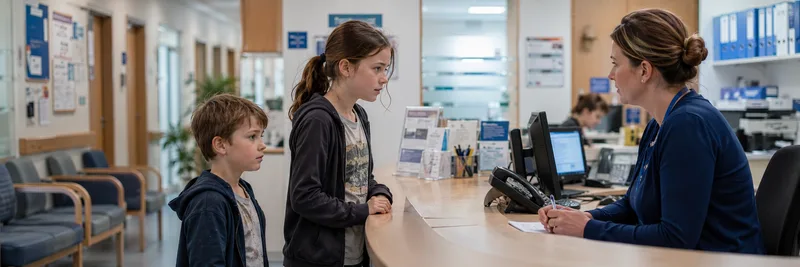
Reception notes may be needed later to link a brief observation with school, health visitor, social care information or a later disclosure. Vague or judgemental notes make those links harder to identify.
What to record
- Exact words from the child, young person, parent, carer or caller where possible.
- Who was present, audible or controlling the contact, including partners, parents, carers or other adults.
- Observed facts, such as visible distress, refusal of privacy, repeated cancellations or unsafe contact requests.
- Safe-contact information, including numbers or methods that should not be used.
- Action taken, including who was informed, when, and what was agreed.
Fact, concern and interpretation
Record the facts and then explain why they caused concern. For example: "Young person said, 'I am scared of Mum seeing messages'; parent requested full proxy access the same day. Escalated to safeguarding lead." This gives a clear, auditable account compared with entries such as "family issue" or "possible safeguarding".
Confidentiality and information sharing
Confidentiality is important, but child safeguarding can require prompt information sharing. Reception staff should not make complex decisions about sharing alone. If a concern affects a child’s safety, pass it to the safeguarding lead, clinician or manager by the approved route.
Information sharing for child safeguarding should be purposeful, proportionate and timely; delay can leave a child at risk.
Ask Dr. Aiden
Rate this page
Sign up now for a free account
Course tools & details

