

Indicators of abuse, neglect and exploitation
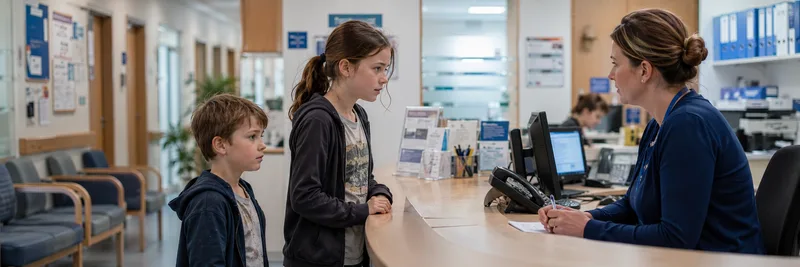
Children can be harmed by physical abuse, emotional abuse, sexual abuse, neglect, exploitation, online harm, domestic abuse at home, or harmful adult behaviour around them. Reception and first-contact staff do not need to label the type of harm; they should recognise when to pass on concerns.
One sign may have an innocent explanation. A pattern of signs, an explanation that does not fit the injury or behaviour, or a child who shows fear or distress increases concern. Record what you actually saw or heard and follow the practice's escalation process.
Child protection: an introduction - The signs and indicators of abuse | NSPCC Learning
Physical and emotional indicators
- Repeated injuries or late presentation, particularly when explanations change or do not fit.
- A child who appears frightened, withdrawn, frozen, unusually watchful or afraid to speak.
- A parent or carer who humiliates, threatens or dismisses the child during contact.
- Behaviour that is very different from the child's usual presentation, especially when staff have known the family over time.
Neglect and unmet health needs
- Repeated missed appointments, immunisations, reviews or blood tests.
- Gaps in medication for asthma, epilepsy, diabetes, mental health or other important conditions.
- A child who appears hungry, unwashed, exhausted, in unsuitable clothing or repeatedly without essential equipment.
- Parents or carers repeatedly declining follow-up after symptoms are raised.
Exploitation and hidden harm
- Concerns about grooming, unsafe relationships, online pressure or sexual exploitation.
- A young person being controlled by another person who holds their phone, speaks for them or rushes them away.
- Frequent changes of address, missing episodes, school concerns or unexplained older companions.
- Domestic abuse, forced marriage, modern slavery or criminal exploitation affecting the child directly or indirectly.
Use factual language
A helpful record states what happened: "Child stood behind parent, appeared tearful, parent said 'she is attention seeking' and cancelled when asked to attend." An unhelpful note might read only: "Difficult family." Labels can obscure the detail safeguarding leads need.
You do not need to name the type of abuse before escalating; clear concern is enough to seek safeguarding advice.
Ask Dr. Aiden
Rate this page
Sign up now for a free account
Course tools & details

