

Practice systems, safer culture and staff support
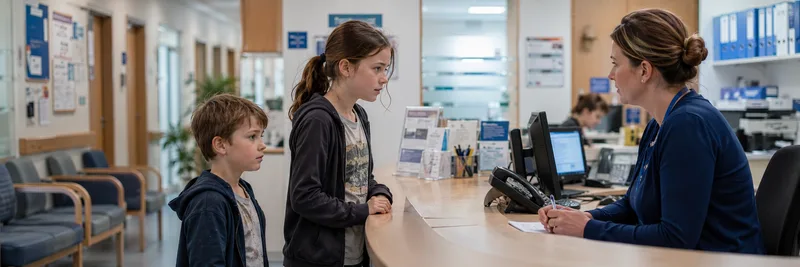
Safeguarding is stronger when practice systems make concerns visible and staff are confident they will be supported for raising them. Systems should not rely on a single receptionist remembering every detail under pressure.
Systems should help staff recognise concerns, ensure safe contact, record clearly, escalate without delay and identify lessons from cases. They should also provide support after difficult disclosures or contacts involving children known to the practice.
Safer systems include
- Clear safeguarding leads and deputies, including who to contact when the usual lead is unavailable.
- Routes for urgent same-day safeguarding advice, especially where a child may be unsafe now.
- Processes for missed child appointments, including who reviews patterns and when escalation is required.
- Safe-contact and proxy-access procedures for young people and families where contact may create risk.
- Training, supervision, huddles and learning from cases so low-level concerns are recognised and followed up.
Reception staff need confidence to speak up
Staff may worry about overreacting, upsetting a parent, breaching confidentiality or implicating a colleague. A safe practice culture makes clear that raising a factual concern is expected. The safeguarding lead then decides the next steps.
Support after difficult contacts
Hearing a child's disclosure or seeing a serious concern can be upsetting. Staff should not be expected to return immediately to routine duties without support. A debrief should confirm the concern was escalated, the record is complete, and the staff member has appropriate support.
A safe practice culture asks, "What does this mean for the child?" even when the contact looks administrative.
Ask Dr. Aiden
Rate this page
Sign up now for a free account
Course tools & details

