

Responding to disclosures from children, parents or carers
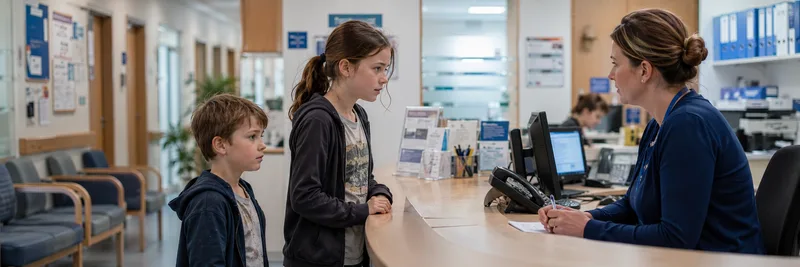
A disclosure can be direct, partial or accidental. A child may make a brief remark at the desk. A young person might ask for help but refuse to give details on the phone. A parent, sibling, friend or professional may share a concern about a child. The safest response is to listen calmly, avoid promising confidentiality, record facts accurately and escalate without delay.
People often test whether it is safe to say more. They may downplay what they said, laugh it off or ask you not to tell anyone. A calm, non-judgemental response helps the person feel heard without turning the reception interaction into an investigation.
Dealing with a direct disclosure | Safeguarding information for tutors
Safe first response
- Listen and acknowledge: use calm wording such as, "I am glad you told me" or "I need to get the right person to help."
- Do not promise secrecy: explain that you may need to tell someone who can help keep them safe.
- Do not ask leading questions: avoid suggesting answers or pressing for details.
- Check immediate danger only if needed: use the local process and escalate urgent risk immediately.
- Protect privacy: avoid discussing the disclosure at the open desk or in front of the person who may be part of the concern.
What not to do
Do not ask a child to repeat the disclosure to multiple staff members. Do not challenge the alleged abuser. Do not tell the child that everything will definitely be fine. Do not ask the child why they did not say something sooner. These responses can increase distress, contaminate information or create further risk.
When an adult returns or interrupts
If a child or young person says something worrying and an adult returns, keep calm. Do not repeat the disclosure in front of them. Use a neutral explanation if needed and escalate discreetly. The safeguarding lead or clinician can decide the safest next step.
If a child tells you something worrying, your job is to hear it safely and pass it on, not to investigate it.
Ask Dr. Aiden
Rate this page
Sign up now for a free account
Course tools & details

