

Cleaning, weather, and changing conditions
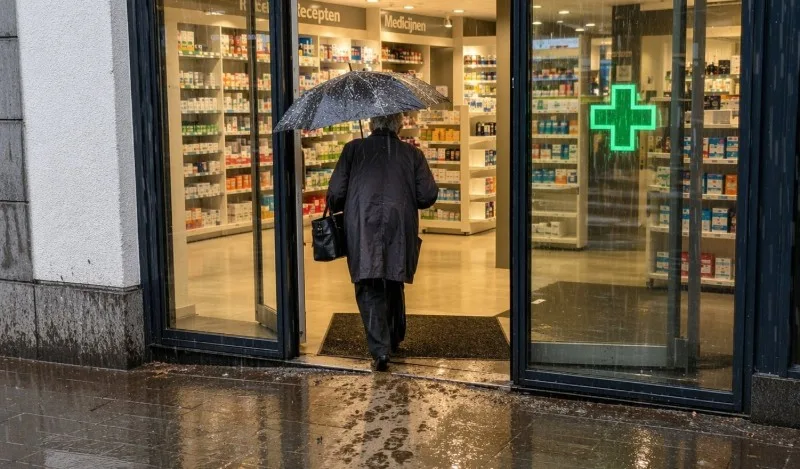
A safe floor can become hazardous when conditions change. Cleaning, tracked-in moisture, spillages, packaging debris and temporary equipment all increase slip and trip risk, especially during busy periods when staff assume an area is safe.
What every team member should know
- Cleaning can create risk as well as reduce it: wet floors, trailing cables, cleaning tools and misplaced signs need active management.
- Weather changes matter: rain, snow and moisture carried in on shoes can make entrances and internal routes slippery quickly.
- Conditions do not stay the same all day: mopping, deliveries and higher footfall can turn a safe route unsafe within minutes.
- Do not assume someone else has dealt with it: if you spot a wet floor, obstruction or new hazard, take action or report it immediately.
In pharmacies, changing conditions commonly occur at entrances, rear access points, consultation-room floors, sink areas and stockroom routes where boxes, cages or cleaning equipment are moved in and out.
Changing conditions create new risks quickly. A warning sign may help, but safer floors depend on active control, not just warning people after the hazard appears.
Ask Dr. Aiden
Rate this page
Sign up now for a free account
Course tools & details

