

Asking for information without clinical advice
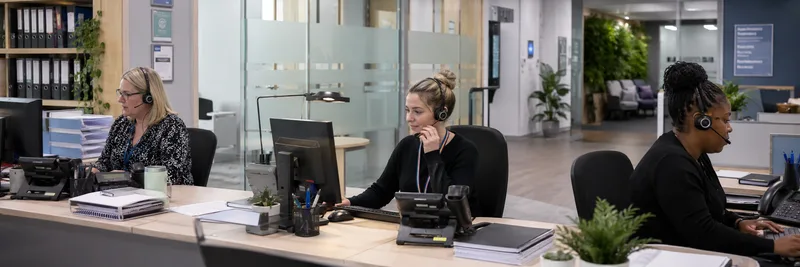
Callers may question why you need certain information or ask for clinical advice. Keep the boundary clear: collect the agreed information and follow the practice process, but do not diagnose or give clinical advice.
Explain why information is needed
Some patients worry reception staff are blocking access or making clinical judgements. Use clear, direct wording: the information helps route the request correctly rather than assessing clinical severity.
Follow the practice script or care navigation protocol. Ask only what the route requires. If the caller reports deterioration, medication risk, a mental health crisis or a safeguarding concern, escalate according to local procedures.
Useful wording
- "I need a brief outline so I can put this through the right process."
- "I am not clinically assessing you."
- "I can record your words and follow the practice route."
- "If this sounds urgent or unclear, I will escalate it."
- "I cannot advise on that medicine, but I can send the question through the correct route."
Where the boundary sits
Factual information-gathering records what the caller reports, what they want, and how to contact them. Clinical advice involves interpreting symptoms, medication or risk and deciding what is safe. Gathering facts supports telephone handling; interpretation belongs to the clinical route.
Ask enough for the agreed process, but do not turn a telephone script into clinical triage.
Care Navigation with Dr Nick Hayward
Ask Dr. Aiden
Rate this page
Sign up now for a free account
Course tools & details

