
Telephone Skills for GP Receptionists and Care Navigators

Safe, clear telephone communication for identity checks, listening, call-backs, confidentiality and records

  • Reputation

    No token earned yet.

    Reach 50 points to earn the Peridot (Trainee Level).

  • CPD Certificates

    Certificates

    You have CPD Certificates for 0 courses.

  • Exam Cup

    No cup earned yet.

    Average at least 80% in exams to earn the Bronze Cup.

Launch offer: Certificates are currently free when you create a free account and log in. Log in for free access

Listening, pace and tone on the phone
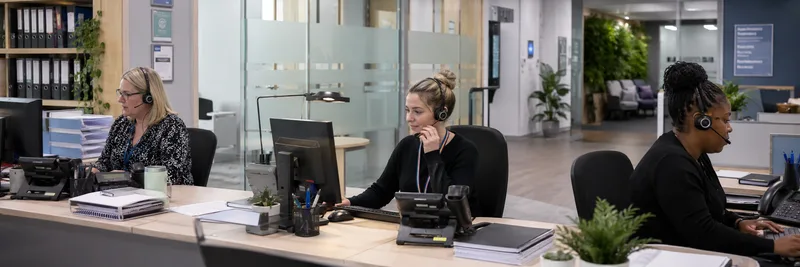
Three reception staff at desk using phones and computers

On the phone, tone carries meaning. A rushed voice can sound dismissive even when the words are correct. A steady voice helps a worried caller explain what they need.

Why tone matters

Callers cannot see you checking a screen, looking for the right route, or asking a colleague for advice. Silence, typing, rushed questions or clipped wording can be read as irritation or lack of interest. A brief explanation such as "I am just checking the record now" makes a pause feel safer and more respectful.

Good telephone tone does not require long calls. It means using a pace that supports accurate information, clear boundaries and a safe next step.

Telephone listening habits

  • Let the caller finish the first sentence before steering the call.
  • Use short acknowledgements such as "I understand", "let me check" or "I have noted that".
  • Slow down when giving numbers, times or instructions.
  • Read back key details when accuracy matters.
  • Tell the caller when you are checking something so silence does not feel like being ignored.

Accuracy over speed

Missed details create repeat calls and complaints. Appointment dates, contact numbers, medication names, addresses and safe-contact instructions should be checked rather than guessed. If the caller is speaking quickly, slow the call down respectfully.

A calm pace is not slower service; it prevents errors, repeat calls and misunderstanding.

Brené Brown on Empathy

Video: 2m 53s · Creator: The RSA. YouTube Standard Licence.

This RSA short animation features Brene Brown explaining empathy as connection rather than sympathy. Drawing on work by nursing scholar Theresa Wiseman, it presents empathy as perspective taking, staying out of judgement, recognising emotion in another person and communicating that recognition.

The video contrasts empathy with sympathy by showing how sympathy can keep distance or try to fix discomfort, while empathy chooses to connect with the person's feeling. It describes empathy as a vulnerable choice because the listener has to connect with something in themselves that recognises the other person's experience.

The final section warns against quick silver-lining responses when someone shares something painful. Instead of trying to make the problem better immediately, the video emphasises honest presence, listening and connection as the part of the response that can help.

Was this video a good fit for this page?

Scenario

A caller is speaking quickly and you miss the appointment date they mention. You feel pressure to keep the call moving.

What is the safer response?


Ask Dr. Aiden


Rate this page


Course tools & details Study tools, course details, quality and recommendations
Funding & COI Media Credits
