

Confidentiality, privacy and safe contact
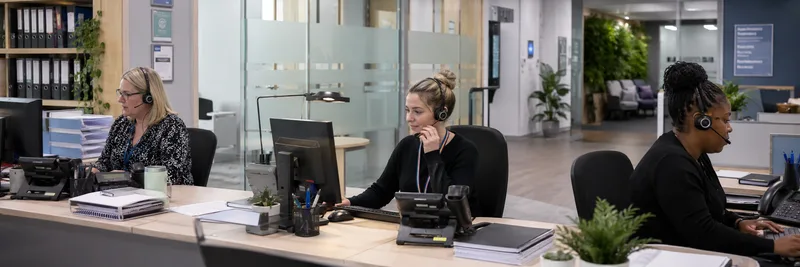
Telephone calls may seem private, but others can hear the caller, or the call may go to voicemail, speakerphone or a shared device.
Think about both ends of the call
Reception staff often take calls from busy workspaces. Patients may be in a shared home, workplace, car, pharmacy, care home or public place. Do not discuss sensitive information until you have checked identity, consent and that the caller can speak privately.
Safe contact is especially important when there are concerns about domestic abuse, coercive control, safeguarding, mental health, sexual health, pregnancy, young people, or any situation where another person may monitor the patient's phone.
Telephone confidentiality checks
- Check whether the patient can speak freely if the topic is sensitive.
- Use only approved voicemail or text wording.
- Follow proxy and consent procedures for third-party callers.
- Record safe-contact instructions where relevant.
- Escalate if safe contact suggests safeguarding risk.
Voicemail, speakerphone and shared devices
Leaving a message can disclose information to the wrong person. If voicemail is allowed locally, use the approved wording. If the caller says not to leave messages, or says someone else checks the phone, treat that as important safety information.
Confidentiality on the phone includes who is listening at both ends of the call.
Consent to share - a video for Southern Health Staff
Ask Dr. Aiden
Rate this page
Sign up now for a free account
Course tools & details

