

Recording telephone contacts and escalation
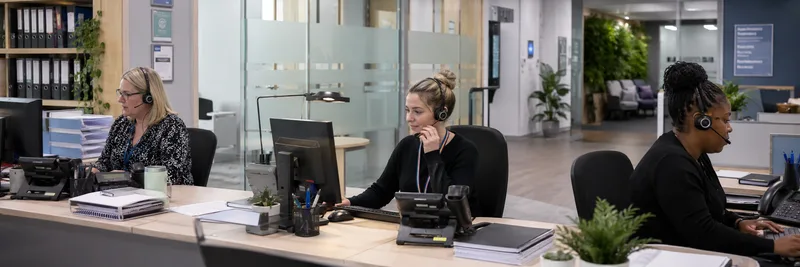
Telephone records should make the call clear to the next person. They must note what the patient said, checks carried out, the route used and who is responsible for the next action.
What good telephone records do
A clear record saves colleagues from reconstructing the call. It should record key facts rather than a verbatim transcript. Note when information came from someone other than the patient and whether any authority checks were performed before sharing information.
Records are particularly important for calls that include urgent wording, failed transfers or call-backs, medication risk, safeguarding concerns, safe-contact instructions, complaints, third-party callers or disputes about promises made.
Record clearly
- Patient's own words where the exact wording affects urgency or clinical decisions.
- Caller identity and authority when someone other than the patient is speaking or requesting information.
- Contact details and safe-contact notes.
- Escalation, transfer, task or call-back action.
- Who owns the next step when responsibility moves to another person or team.
Escalation must be visible
If a call is escalated, record why, who was informed and what action was agreed. If no one accepts ownership, note that uncertainty and escalate it rather than leaving a vague entry.
If a telephone contact changes the next action, the record should show how and why.
Ask Dr. Aiden
Rate this page
Sign up now for a free account
Course tools & details

