

Preparing for a safe telephone contact
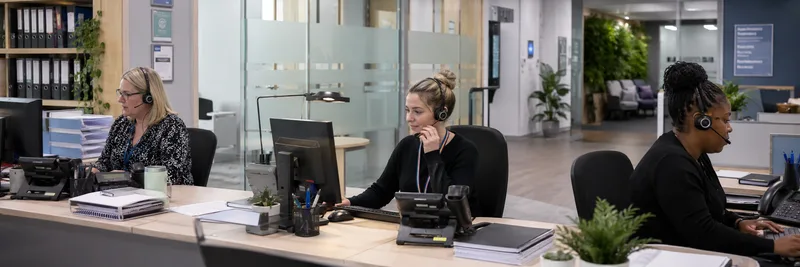
Good telephone handling begins before you pick up. Have the right records and scripts open, keep the environment manageable, know how to escalate, and make time to listen.
Why preparation matters
Telephone work often happens under pressure: long queues, background noise, colleagues asking questions, patients at the desk, and systems that may be slow or incomplete. In that setting small errors can lead to missed safety wording, wrong contact details, unclear handover or poor records.
Being prepared means you can open the correct script, check the right record, identify urgent routes and avoid relying on memory during a complex or emotional conversation.
Before and during calls
- Know where to find scripts, directories and urgent escalation points.
- Keep confidential screens and notes out of public view.
- Reduce avoidable background noise where possible.
- Keep a note route ready so actions are not lost between calls.
- Pause briefly before answering the next difficult call if the previous call was urgent, abusive or distressing.
Protect attention during complex calls
If a caller is giving important details, manage interruptions. Ask a colleague to wait rather than risk missing a medication name, call-back number, safeguarding concern or urgent symptom. If you must interrupt, return to the caller by summarising where you were and checking the next detail.
Telephone safety depends on system readiness as much as individual politeness.
Ask Dr. Aiden
Rate this page
Sign up now for a free account
Course tools & details

