

Opening the call and confirming identity
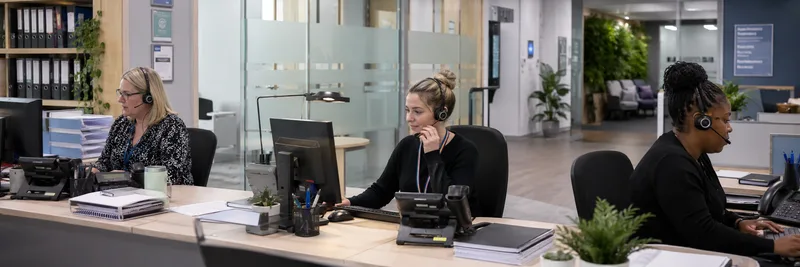
The opening should be warm, concise and controlled. It identifies the practice, clarifies who the caller is speaking to, helps confirm the right patient and establishes confidentiality from the start.
Start clearly
A rushed or unclear opening increases the risk of error. Callers may be unsure which practice they have reached, whether the call is recorded, or whether they are speaking to reception, care navigation or clinical staff. A clear opening reduces confusion and sets the boundaries of the call.
Use the practice-approved wording for your greeting. Be professional but brief so urgent information can be handled immediately. If the caller indicates an urgent problem, follow the urgent process rather than insisting on completing a full administrative sequence first.
Opening checks
- Use the practice-approved greeting.
- Confirm identity using the local process.
- Check whether the caller is the patient or calling for someone else.
- Check authority before sharing patient information.
- Confirm the best contact number if a call-back may be needed.
Third-party callers
Many calls come from relatives, carers, advocates, care homes or support workers. They may provide helpful information, but knowing details about a patient does not automatically give them authority to receive confidential information.
You can take information from a third party and pass it on internally. Sharing confidential information back requires following local identity, consent, proxy access or best-interests procedures.
Do not discuss patient information until identity and authority are clear enough for the task.
Identifying Patients Correctly
Ask Dr. Aiden
Rate this page
Sign up now for a free account
Course tools & details

