

Cleaning schedules, responsibilities, records, and SOPs
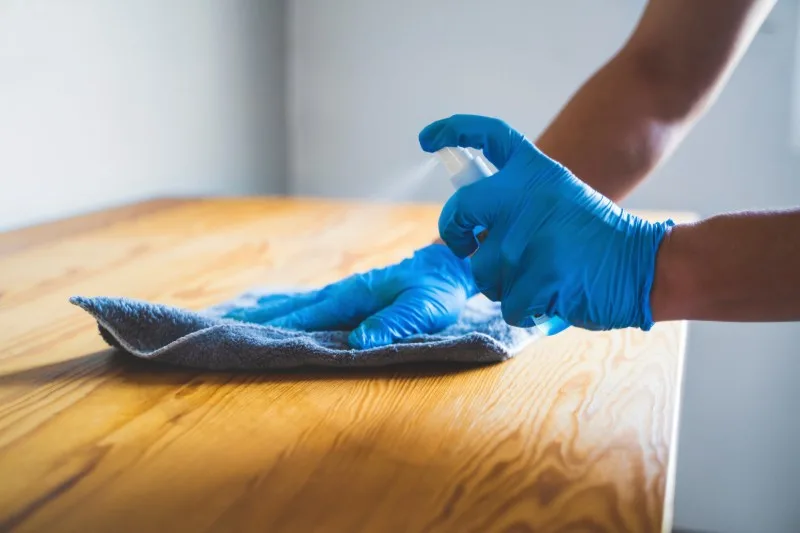
Cleaning fails when everyone assumes someone else has done it. Effective infection prevention requires planned routines, clear responsibilities, appropriate products, and a way to show tasks were completed.
What a pharmacy cleaning system should cover
- Frequency: between patients where needed, daily, weekly, and periodic tasks according to the surface, equipment, and risk.
- Responsibility: who cleans each area or item, who checks the work, and who escalates if a task is missed.
- Method: which product to use, whether cleaning or disinfection is required, and any manufacturer instructions for equipment.
- Records: cleaning logs, equipment cleaning records when needed, training records, and review after incidents or outbreaks.
- SOP alignment: local SOPs should reflect actual workflow, not just exist as a document in a folder.
Important practical points
The NIPCM for England states that the environment should be visibly clean and free from non-essential clutter. Routine cleaning must use the correct method and product, and staff should be clear about their cleaning schedules and responsibilities.
Routine disinfection is not required for every surface at all times. Detergent-based cleaning is the default for many tasks; use disinfectants where local policy, the type of contamination, or manufacturer instructions indicate it, including attention to product compatibility and required contact time.
A cleaning schedule is only useful if staff know it, follow it, and can show that it matches what actually happens in the pharmacy.
Ask Dr. Aiden
Rate this page
Sign up now for a free account
Course tools & details

