

Waste management, spillages, and returned medicines
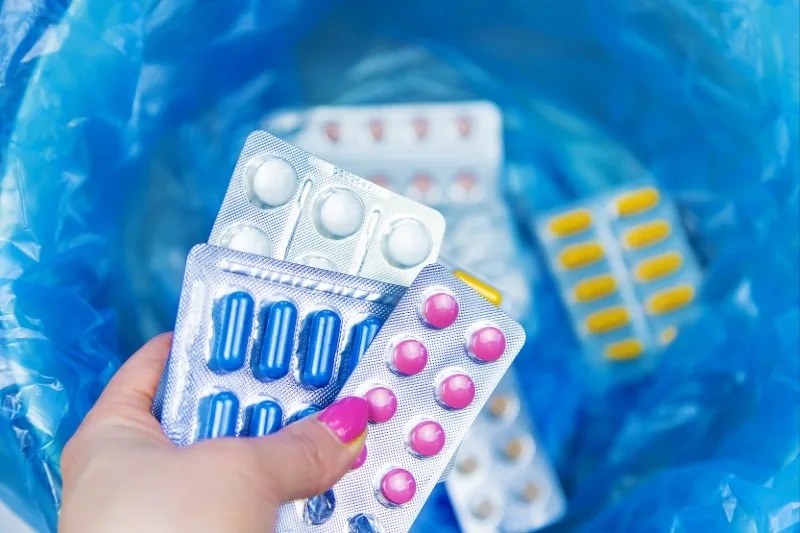
Waste, leakages and returns are common points where pharmacy workflow can be disrupted and contamination risk increases. Effective infection prevention and control requires knowing which items follow routine disposal, which must be segregated, when a spillage response is needed, and when to escalate rather than improvise.
Waste management basics
The NIPCM references HTM 07-01 as the regulatory guidance for waste management in health and care settings in England and Wales. Pharmacy teams must know the local routes for general waste, pharmaceutical waste, clinical waste where applicable, and sharps.
- Segregate correctly: keep waste streams separate; do not mix them for convenience.
- Store securely: holding areas for waste and returns must not contaminate clean workflow.
- Dispose of sharps safely: never leave sharps loose or use unsuitable containers.
Spillages
Blood and body fluid spillages require immediate action by trained staff following local procedures and using appropriate PPE and cleaning products. The same approach applies to leaking medicine containers or contaminated transport bags: identify trained personnel, the correct equipment, and when to escalate to a manager or specialist team.
Returned medicines
Handle returned medicines so they do not contaminate the dispensing area. In practice this usually means:
- segregating returns from saleable stock immediately
- not opening or processing them on the normal dispensing bench
- performing hand hygiene after handling them
- following local SOPs for disposal, documentation, and controlled drugs where relevant
Delivery staff may bring medicines back after failed delivery or when patients return unwanted items. Provide clear instructions on what can be accepted, how it should be transported, and what to do if a package is leaking, heavily soiled, or unsafe.
Returns and spillages should not be handled "wherever there is space". They need a separate, controlled process that protects staff, stock, and the dispensing workflow.
Ask Dr. Aiden
Rate this page
Sign up now for a free account
Course tools & details

