

Hand hygiene and personal presentation
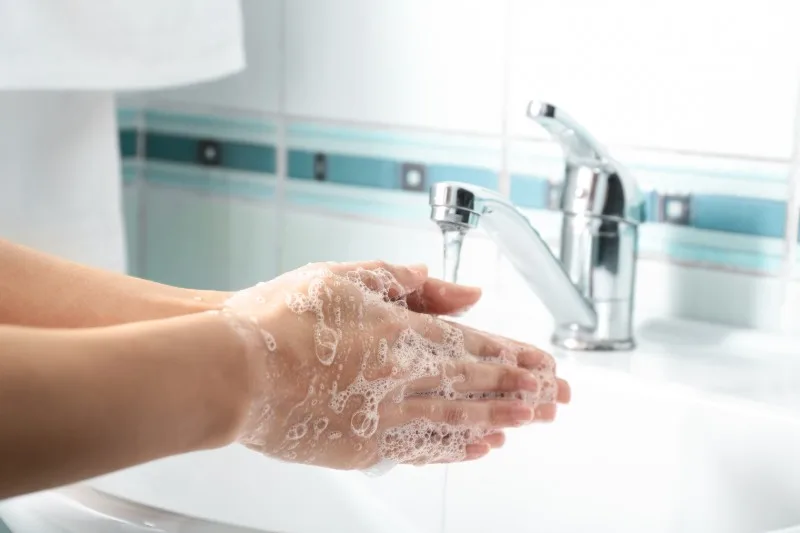
Effective hand hygiene greatly reduces the spread of infection. In pharmacy practice this is necessary at the counter, in consultation rooms, during dispensing, after handling returns or waste, and whenever staff move between clean and potentially contaminated tasks.
When to wash and when to use alcohol hand rub
The NIPCM for England advises washing hands with liquid soap and water when hands are visibly dirty or soiled, when dealing with vomiting or diarrhoeal illness, or when gastrointestinal infection such as norovirus is suspected or confirmed. Where hands are not visibly soiled, an alcohol-based hand rub (ABHR) is usually suitable for routine decontamination.
Always perform hand hygiene before putting on gloves and after removing them.
Personal presentation matters
- Bare below the elbows: forearms should be exposed to allow effective hand and wrist hygiene.
- Jewellery: remove or manage hand and wrist jewellery so it does not prevent thorough cleaning.
- Nails: keep fingernails short and clean. Do not wear artificial nails or nail products.
- Cuts and abrasions: cover with a waterproof dressing.
- Skin care: dry hands thoroughly, use suitable hand cream, and seek occupational health advice if dermatitis or other skin problems develop.
Pharmacy-specific hand hygiene triggers
- before and after patient contact or clinical checks
- before clean tasks, including certain dispensing or equipment preparation tasks
- after body fluid exposure risk
- after handling returns, waste, or spillages
- after coughing, sneezing, using tissues, or touching contaminated respiratory surfaces
- after glove removal
Good hand hygiene depends on correct technique, appropriate timing, and recognising when soap and water are required instead of alcohol gel.
Ask Dr. Aiden
Rate this page
Sign up now for a free account
Course tools & details

