

Practice systems, failed contact and learning
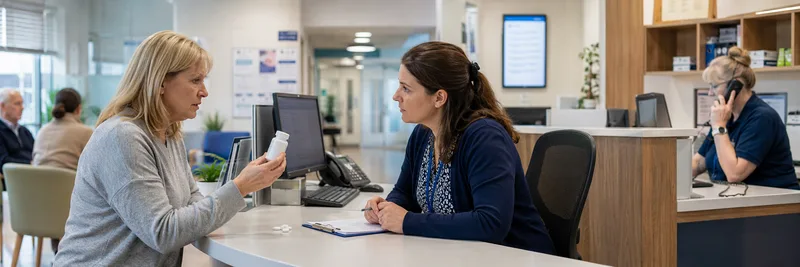
Safe escalation of medication concerns relies on clear practice systems as well as staff awareness. Reception and administrative teams need visible prompts, defined escalation routes, reliable cover arrangements, and agreed steps for failed contact, late-day requests and online forms that use urgent medicines wording.
If staff must improvise every time a medicines contact becomes unsafe, the process is fragile. A safer system makes it straightforward to interrupt routine work, identify who is responsible for the next step, and ensure urgent wording is noticed and acted on.
Systems that support safe escalation
- Visible high-risk medicine prompts for reception, prescription, online and phone teams.
- A named urgent medicines owner during opening hours, with a backup route if unavailable.
- Clear pharmacy, NHS 111, 999, hospital and specialist pathways for staff to use consistently.
- Online request monitoring so urgent medicine wording is not left until routine review.
- Failed-contact rules covering dropped calls, unanswered call-backs, missing pharmacy information and patients leaving before escalation is complete.
- Debrief and learning after delayed prescriptions, wrong-route contacts or medicine-related near misses.
Close the loop
Escalation should not stop at sending a message. Staff need confirmation that a clinician, pharmacist, emergency service or pathway has accepted the contact, and clear actions if there is no response. Urgent medicines contacts should be flagged and tracked so they are not buried in routine workflows.
Near misses are important. If an urgent repeat request was found late, a high-risk medicine was missed, or staff could not find the right route before closing, the practice should review the system rather than treating the event as a one-off.
A safe system makes urgent medicines escalation clear, quick and supported, especially when the contact is messy or the usual route is blocked.
Ask Dr. Aiden
Rate this page
Sign up now for a free account
Course tools & details

